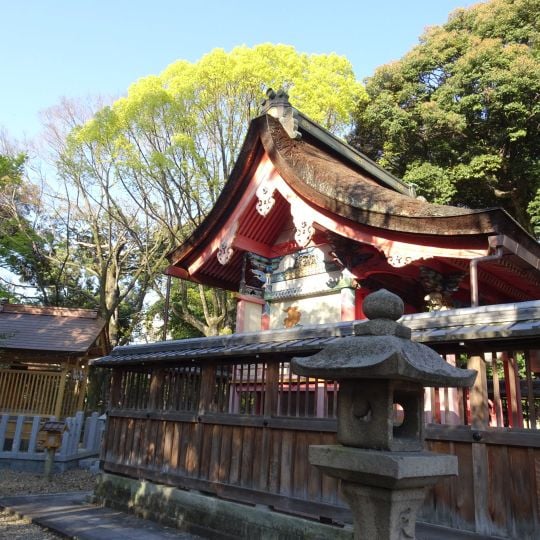
Asakura-jinja, Shinto shrine in Uji, Japan
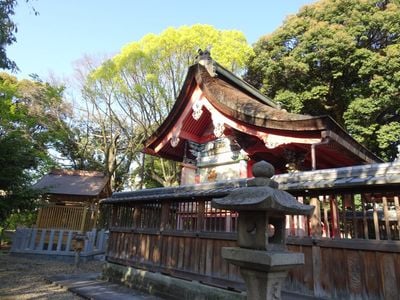
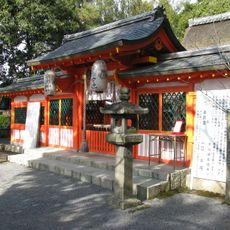
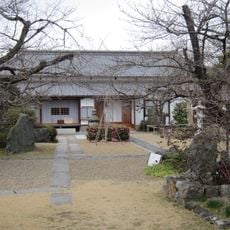
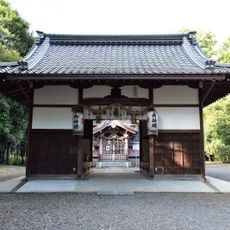
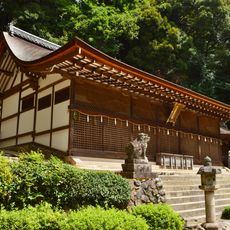
Asakura-jinja is a Shinto shrine in the Okubo Kitayama area of Uji, Kyoto Prefecture. Its honden, built in 1672 and registered as a Kyoto Prefectural Tangible Cultural Property in 1985, stands within grounds that also contain smaller structures. The shrine is listed as a shikinai shosha and was formerly a village shrine.
The shrine's founding date is unknown; it originally stood at Okubo Asakura, west of the present site, where excavations found a 5.3 m by 3.6 m earthen mound with a flat paving of river stones and roof-tile fragments. The hall burned in 1550, and in 1566 it was rebuilt on the Tenman Tenjin site after more than twenty years without rites, with Tenman Tenjin jointly enshrined. It became a village shrine in 1873 and was identified as the Shikinai Asakura Shrine in 1877.
The shrine was long known as Tenjin-sha, Kurikuma Tenjin-sha or Kurikuma Tenmangu, and in 1566 the Tenmangu hall was restored after worship there had lapsed for more than twenty years, with Tenjin enshrined alongside the two Musubi deities. Its autumn festival is held on 8 October.
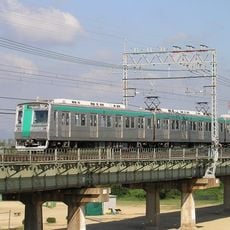
Asakura-jinja is about a 5-minute walk southwest of Kintetsu Kyoto Line's Okubo Station, or roughly 12 minutes southwest of JR Nara Line's Shinta Station. The approach is on foot, so allow for walking rather than driving. The autumn grand festival is held on October 8.
The shrine's name was only formally matched to the Engishiki shrine "Asakura" in June 1877, when it was recognised as a shikinai shōsha; before that it was known locally as Tenjin-sha or Kurikuma Tenmangū. Excavations at its old site west of the present grounds found a flat paving of river stones beneath the soil, with roof-tile fragments suggesting a small south-facing shrine building.
The community of curious travelers
AroundUs brings together thousands of curated places, local tips, and hidden gems, enriched daily by 93,357 contributors worldwide.