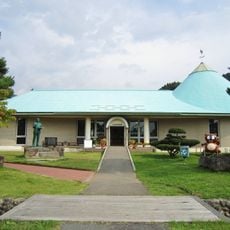
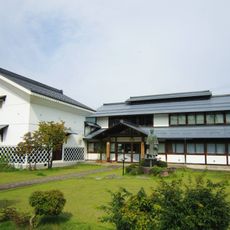
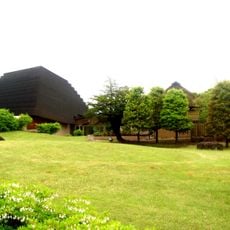
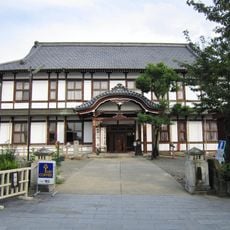
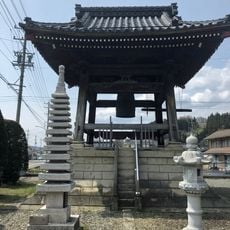
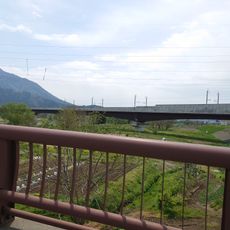
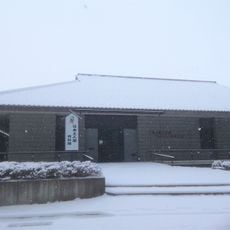
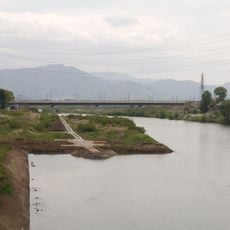
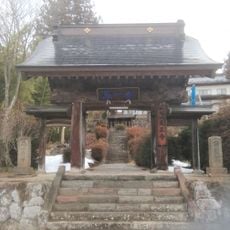
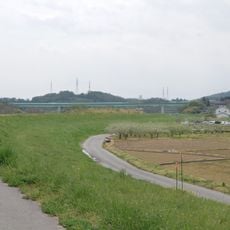
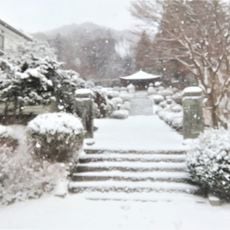
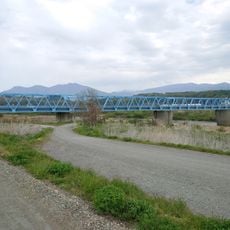
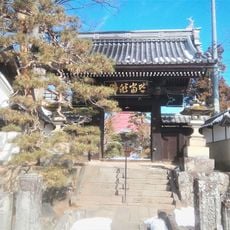
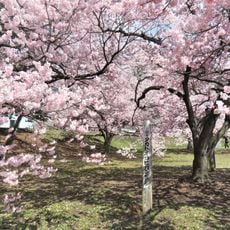
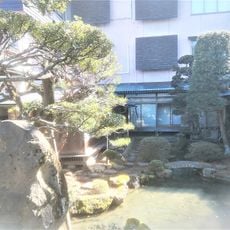
Hakkagō Canal, Historical aqueduct in Nakano, Japan.
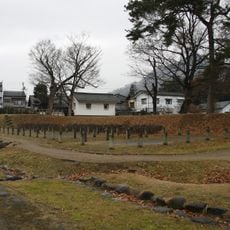
The Hakkagō Canal is an irrigation system with stone-lined channels that flows through Nakano and delivers water to agricultural areas and facilities. The system connects various historical water management structures that remain visible today.
The canal was built in 1653 during the Edo period as part of a larger water system to address critical shortages in the region. Its construction was an important solution for agricultural development and supporting population growth.
The canal is closely tied to local sake brewing, as breweries here have relied on its spring water for generations. You can observe how the water quality and location shaped the production of this traditional beverage.
Walking paths run alongside the canal and provide easy access to nearby museums and historical sites in the area. The best time to visit is during seasons with comfortable temperatures when the paths are easy to walk.
In late spring and early summer, fireflies emerge over the water and create natural light displays among the historical structures. This seasonal occurrence draws many visitors who want to experience the magical effect along the old channels.
The community of curious travelers
AroundUs brings together thousands of curated places, local tips, and hidden gems, enriched daily by 60,000 contributors worldwide.