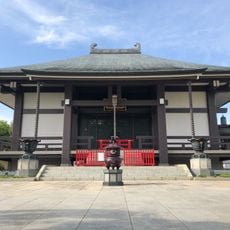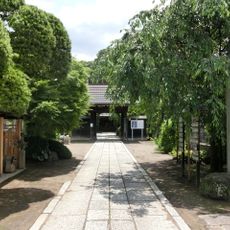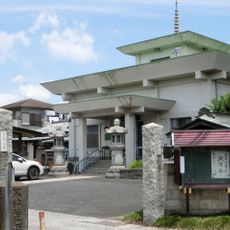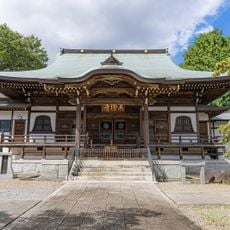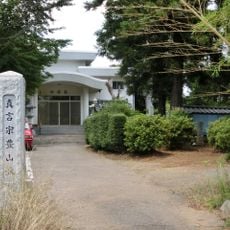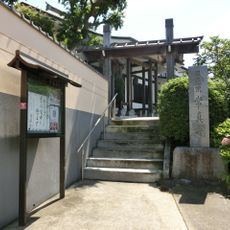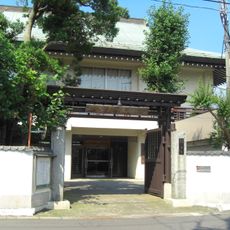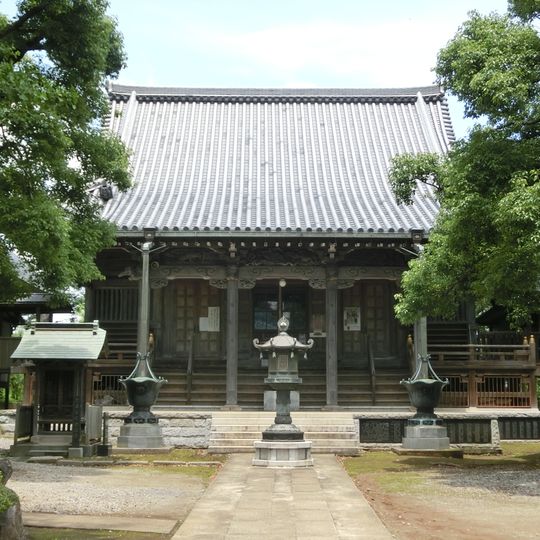
Tōfuku-ji, Zen Buddhist temple in Higashiyama-ku, Kyoto, Japan
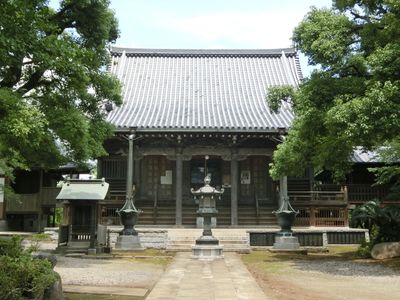
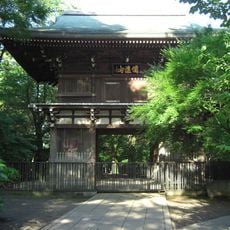
Tōfuku-ji is a Zen Buddhist temple in the Higashiyama district of Kyoto, consisting of several interconnected buildings that include the oldest surviving Zen gate in Japan. The grounds feature expansive gardens where Japanese maple trees dominate the landscape, particularly striking in autumn when they turn brilliant red.
The temple was founded in 1236 by imperial chancellor Kujō Michiie and named after two renowned temples in Nara. Following major fire damage, it was extensively rebuilt during the 15th century while maintaining its role as a significant Zen Buddhist center.
The temple serves as the head institution of the Tofukuji School, a branch of Rinzai Zen Buddhism, where monks continue traditional meditation practices that shape daily life here. Walking through the grounds, you can observe how the monastic community uses the spaces and gardens as part of their spiritual routine.
The temple grounds are divided into different sections, with some areas requiring separate admission to access. Fall visits are particularly popular due to the maple foliage, so arriving early and allowing ample time to explore is recommended.
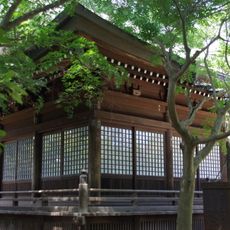
The temple preserves Japan's oldest surviving communal bathhouse and toilet facilities, dating to the Muromachi period of the 14th century, offering a rare glimpse into the practical side of monastic life. These structures reveal how monks once managed their everyday hygiene infrastructure.
The community of curious travelers
AroundUs brings together thousands of curated places, local tips, and hidden gems, enriched daily by 91,371 contributors worldwide.