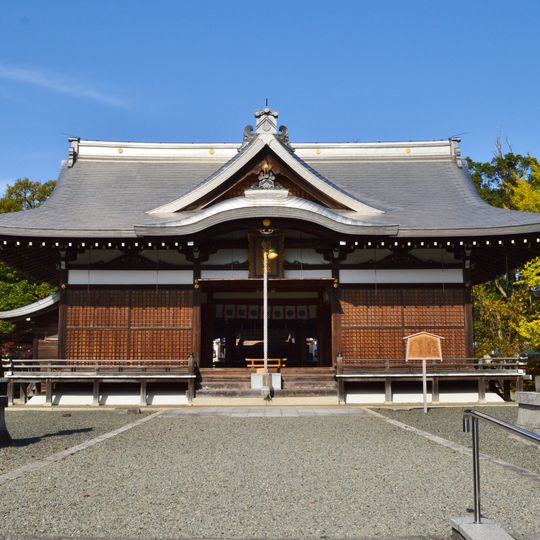
Amino-jinja, Shinto shrine in Japan
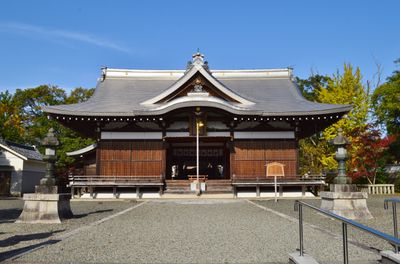
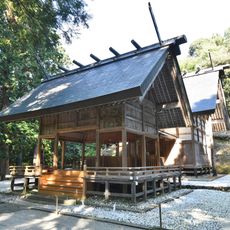
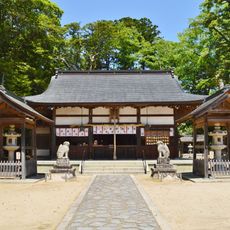
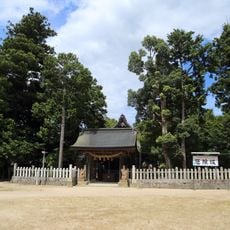
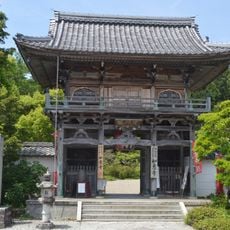
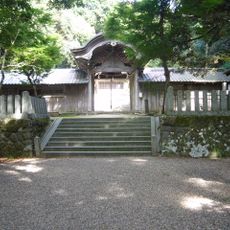
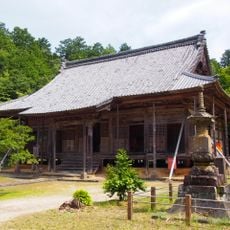
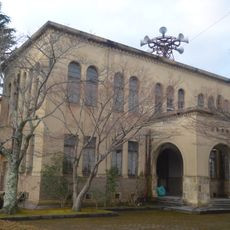
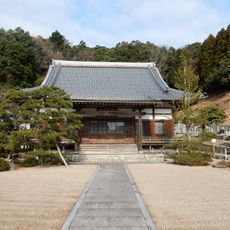
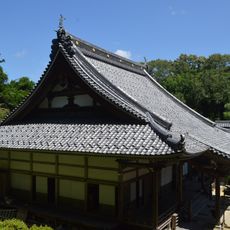
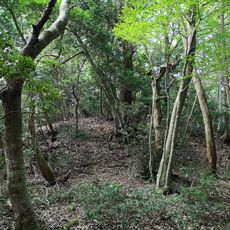
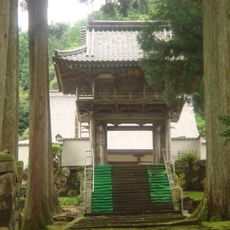
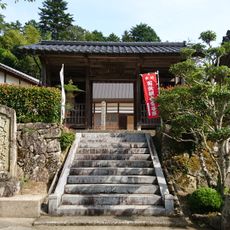
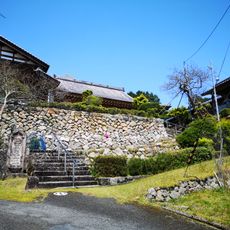
Amino-jinja is a traditional Shinto shrine in Kyotango with six smaller shrines dedicated to different gods, each with distinct purposes and architectural details. The main building features a traditional roof style with an overhang, surrounded by well-kept stone paths, lanterns, and trees, including Japanese maples that glow red and orange in autumn.
The shrine was established before the 10th century, with records dating to the year 927, and originally had three gods worshipped in separate locations until they were brought together in one site in 1452. The main building was constructed in 1922 in the Nagare Zukuri style, and the worship hall was rebuilt in 1929 after damage from the 1927 Tango Earthquake.
The shrine is a place where visitors pray for health, safety, and good fortune. The smaller structures are often decorated with flowers and offerings, and local children repaint the Jizo statues every year, keeping the community's connection to the shrine's spiritual life active.
The shrine is free to enter and visitors can explore the grounds freely, making it accessible to everyone. It is best to wear respectful clothing and observe local customs such as ringing the bell or bowing at the altar when visiting.
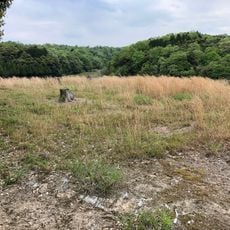
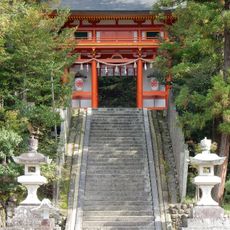
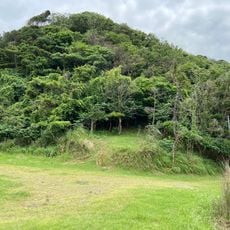
Atago Shrine, built on a hill behind the main shrine, was traditionally meant to protect the town from fires, a concern with deep roots in Japan's history. Climbing to the top offers views of surrounding fields and wildflowers, creating a peaceful vantage point for reflection.
The community of curious travelers
AroundUs brings together thousands of curated places, local tips, and hidden gems, enriched daily by 60,000 contributors worldwide.