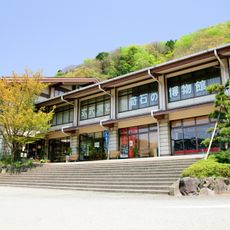
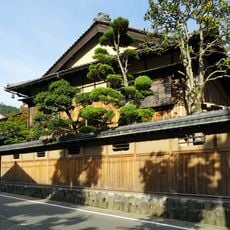
Nyoiji, Buddhist temple in Kyōtango, Japan
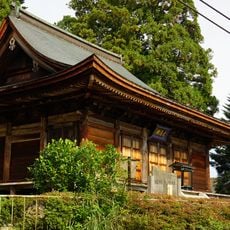
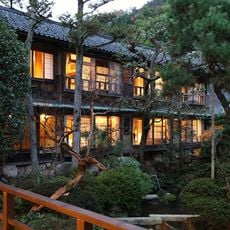
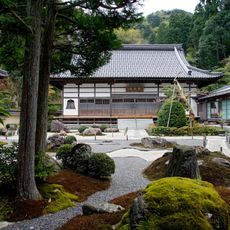
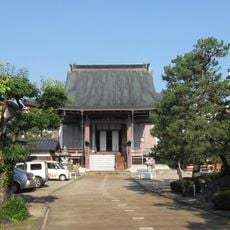
Nyoiji is a Buddhist temple in Kyōtango, Japan, set on a wooded hillside with garden grounds planted with azaleas and other seasonal flowers. The complex holds several halls and secondary buildings, with the main hall standing out for its unusual architectural style.
According to temple tradition, the monk Gyōki founded Nyoiji during the Tenpyō era (729–749) after fishermen's nets brought up a sacred wish-fulfilling jewel, which he enshrined in a hall named Hōjuzan Nyoiji. In 1295 Emperor Fushimi sent Fujiwara no Sadanari with an imperial plaque reading "Nyoiji"; the temple then held 500 koku and twelve cloisters, but fire destroyed much of it in 1427. Rebuilding continued from the 1530s through the Meiji era, and from 1963 halls were moved to the present site.
The temple's name comes from the wish-fulfilling jewel (nyoi hōju) that legend says the monk Gyōki recovered from the sea here. The wild three-leaf azalea grove around the grounds blooms from early to mid-April, and the temple is stop 7 on the Kansai Flower Temple pilgrimage. Monthly rites include the first-day goma fire ceremony and the April 1 Nichigiri Fudō festival.
The temple is within walking distance of a nearby railway station and is open throughout the year. Spring is the most popular time to visit, but the gardens offer something worth seeing in every season, so a visit outside the busy flowering period can be more relaxed.
The Fudō-dō hall at Nyoiji is described as the only stacked hōgyō-style building in Japan, mixing Japanese, Chinese and Indian (Tenjiku) styles. It houses a stone Fudō Myōō said to bear the fingernail carving of Kūkai, known as Higiri Fudō, honoured at a festival on 1 April.
The community of curious travelers
AroundUs brings together thousands of curated places, local tips, and hidden gems, enriched daily by 93,881 contributors worldwide.