Genbudō, Basalt caves in Toyooka, Japan
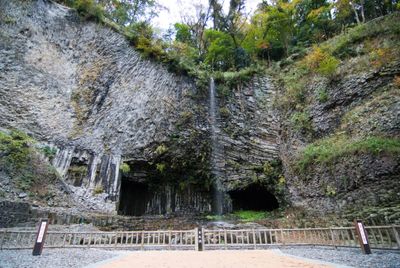
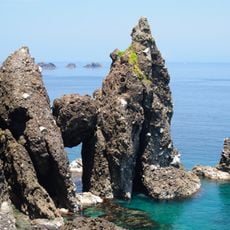
Genbudō is a group of five basalt caves in Toyooka formed by volcanic activity around 1.6 million years ago. The caves display characteristic hexagonal basalt columns that developed as the lava cooled and now shape the landscape.
A Confucian scholar named Kuriyama Shiba named the site in 1807 after mythological guardian deities. This naming later led to the creation of the Japanese term 'genbugan' for classifying basalt rock types.
The caves are named after ancient Chinese guardian deities of the cardinal directions: Genbu, Seiryu, Byakko, and two Suzaku formations, rooted in Japanese mythology. These names reflect how ancient eastern beliefs shaped how people understood and named natural places in this region.
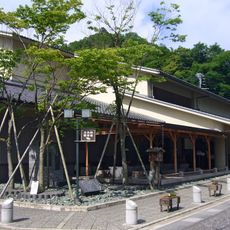
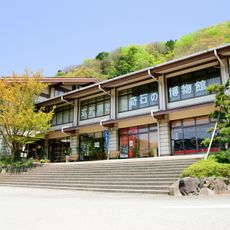
The site with its museum is open during daylight hours and provides parking for cars and buses near the entrance. Visitors should wear sturdy shoes since the ground is uneven and paths around the cave formations can be challenging to walk.
Scientists discovered magnetic field reversal patterns in the basalt formations that became significant for geological research. These findings helped researchers better understand the history of Earth's magnetism.
The community of curious travelers
AroundUs brings together thousands of curated places, local tips, and hidden gems, enriched daily by 60,000 contributors worldwide.