Roman aqueduct Nijmegen, Roman aqueduct in Nijmegen, Netherlands
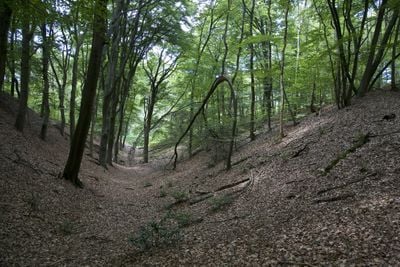
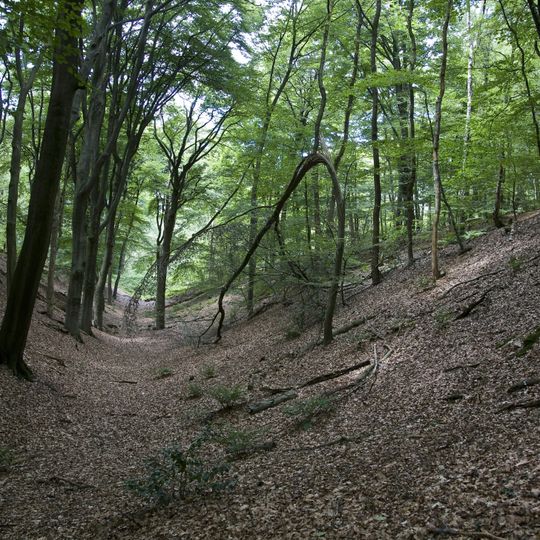
The Roman aqueduct of Nijmegen is an ancient water supply system that stretched across approximately 22 kilometers through Berg en Dal and the surrounding area. It featured open channels supported by stone structures and bridges that carried water downhill to serve the settlement.
The aqueduct was built during the 1st century AD as a crucial infrastructure project for the Roman city of Ulpia Noviomagus Batavorum. It represented one of Rome's most ambitious water engineering efforts in the northern provinces.
The aqueduct formed part of the Roman frontier defense system and reveals how settlers relied on sophisticated engineering to sustain their community. Walking along it, you understand the connection between water access and the growth of this northern outpost.
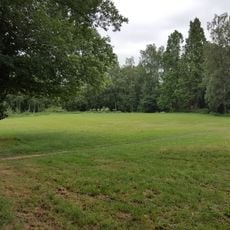
Several sections of the aqueduct are accessible along marked walking paths with informational signs explaining how it functioned. Plan your visit during dry weather to see the stone structures and construction methods more clearly.
The aqueduct relied on precise slope calculations to move water using only gravity across changing elevations. This simple engineering solution ensured steady water flow without the need for pumps or other mechanical devices.
The community of curious travelers
AroundUs brings together thousands of curated places, local tips, and hidden gems, enriched daily by 92,399 contributors worldwide.