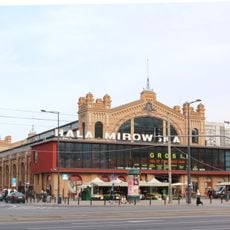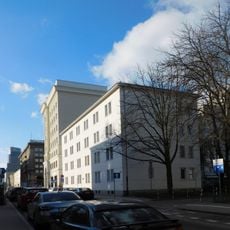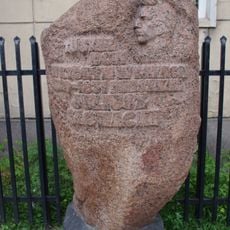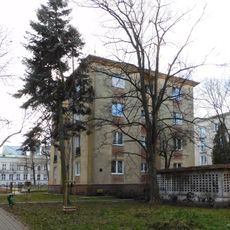
Warsaw Ghetto, Jewish district in Warsaw, Poland
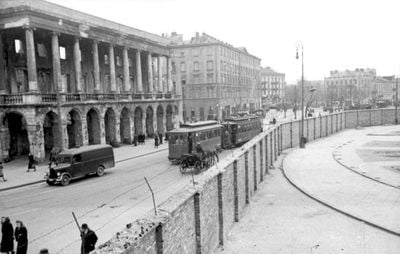
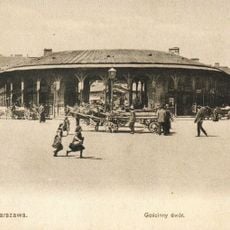
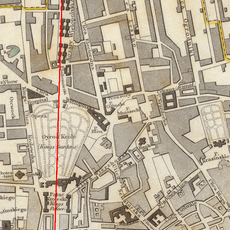
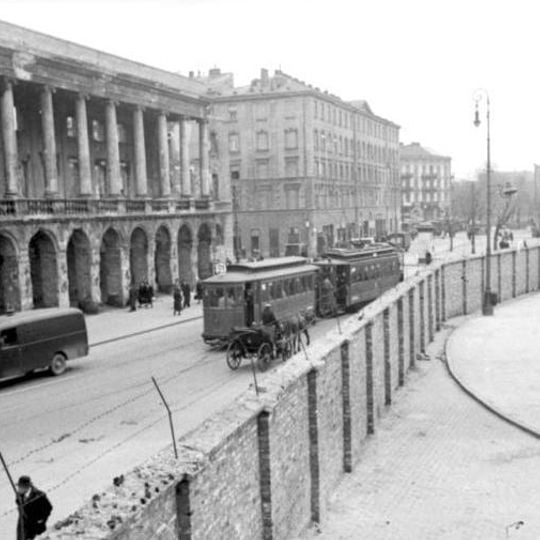
This site marks the enclosed district in the old Jewish quarter, surrounded by a brick wall reaching over three meters in height. The confined area covered roughly 340 hectares and formed one of the largest forced residential zones in occupied Europe.
German occupation forces established the enclosed zone in autumn 1940 and forced the Jewish population into the sealed district. Between July and September 1942 troops deported 265,000 people to Treblinka extermination camp.
The archive Oneg Shabbat gathered diaries and accounts from daily life within the enclosed district under Emanuel Ringelblum's leadership. Documents were hidden in milk cans and partly recovered after the war, preserving testimony about life behind the walls.
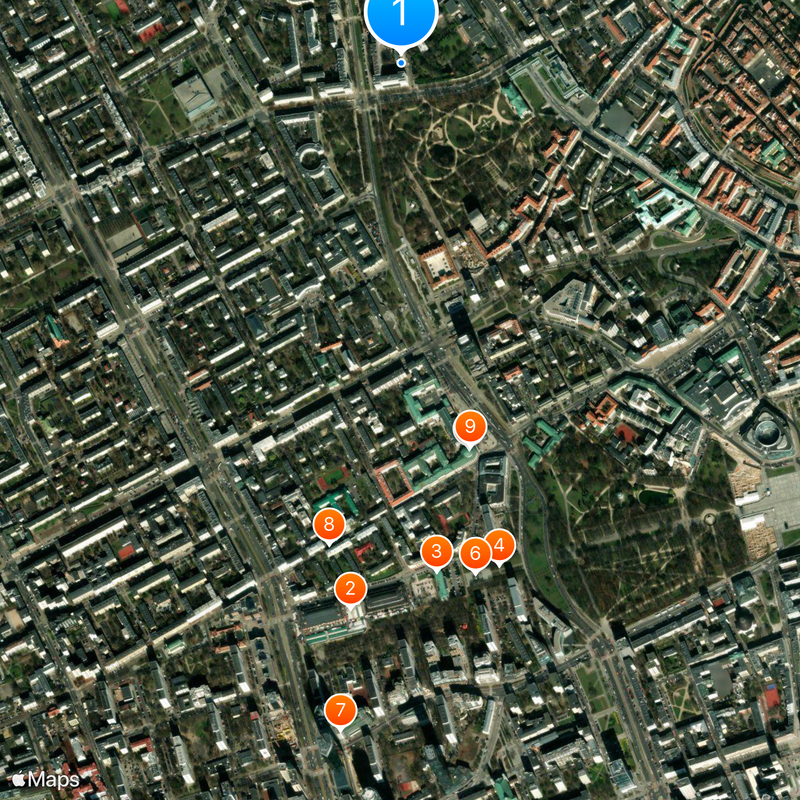
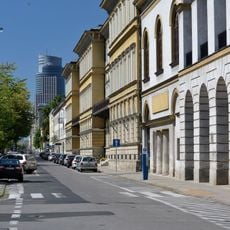
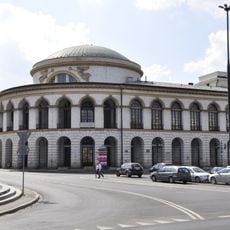
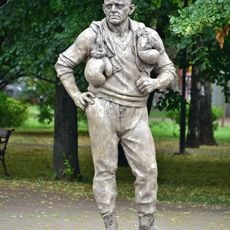
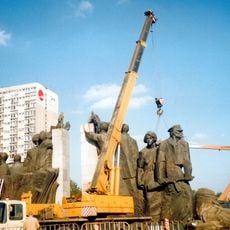
Memorials and wall fragments scattered through the city today mark where the enclosed district once stood. Visitors can walk a historic route through central Warsaw to reach the main memorial sites on foot.
In April 1943 the first armed mass rebellion against German occupiers in Europe began here. The uprising lasted nearly a month even though defenders lacked military training and carried only a few homemade weapons.
The community of curious travelers
AroundUs brings together thousands of curated places, local tips, and hidden gems, enriched daily by 60,000 contributors worldwide.