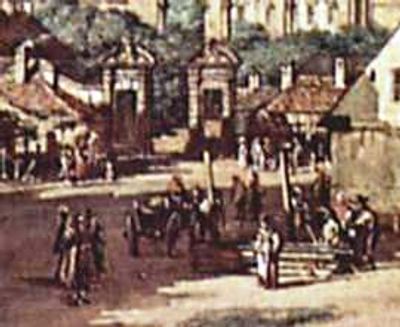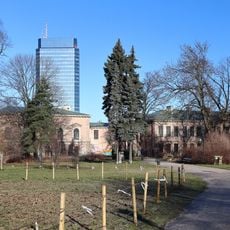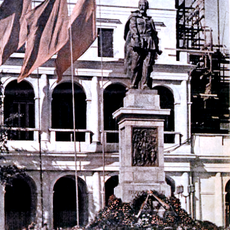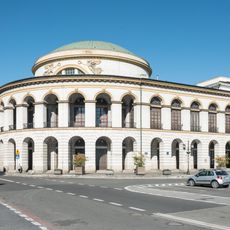
Żelazna Brama, Baroque gate in Warsaw, Poland.
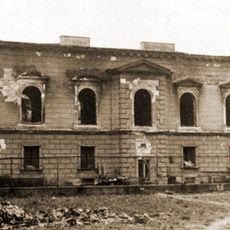
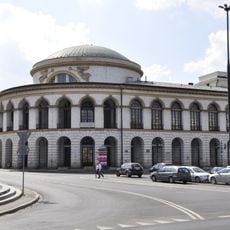
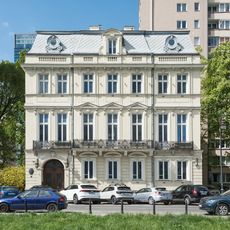
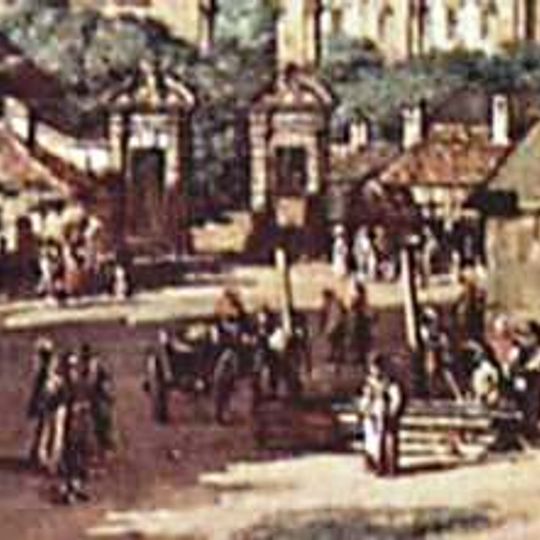
Żelazna Brama, meaning Iron Gate in Polish, is a Baroque stone gate built in the early 18th century as the main entrance to the Saxon Garden in Warsaw. It features symmetrical pilasters, a curved pediment, and carved stone ornaments arranged around a central arched passage.
The gate was built in the early 18th century under King Augustus II of Saxony, who sought to reshape Warsaw along the lines of Western European courts. It was designed by the German architect Matthäus Daniel Pöppelmann, who also worked on the famous Zwinger palace in Dresden.
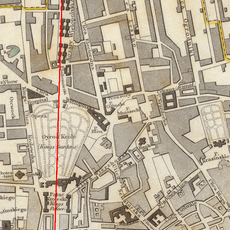
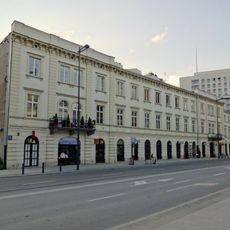
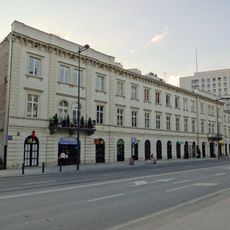
The gate gave its name to the whole surrounding area, and many Warsaw residents still refer to the neighborhood simply as the Iron Gate district. The square nearby, Plac Żelaznej Bramy, hosts a daily open-air market where fresh produce and everyday goods are sold, making it a busy part of daily city life.
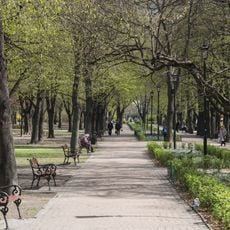
The gate stands at the edge of the Saxon Garden and is easy to reach on foot from the city center. Visiting in the morning gives a clearer view of the stonework, as the area tends to get busier later in the day.
Despite its name, the Iron Gate contains no iron in its construction and is built entirely of stone. The name comes from an earlier wrought iron grille that once stood at this spot to close off the garden entrance.
The community of curious travelers
AroundUs brings together thousands of curated places, local tips, and hidden gems, enriched daily by 92,525 contributors worldwide.