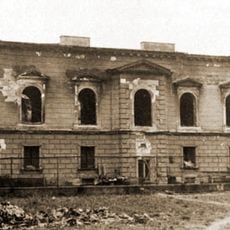
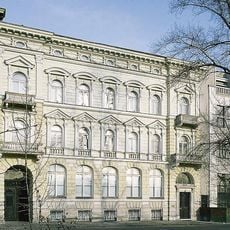
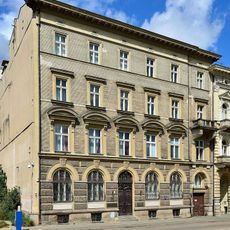
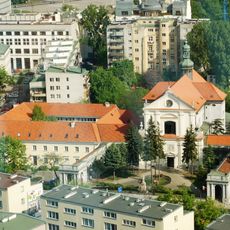
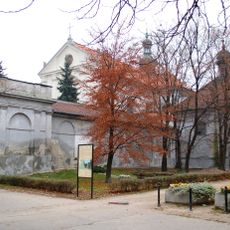
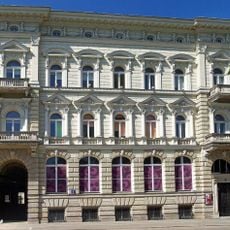
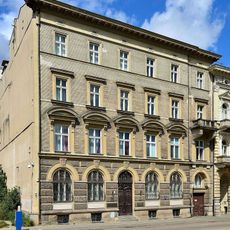
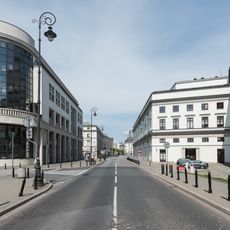
Muzeum Wódki, Vodka museum on Wierzbowa Street, Warsaw, Poland
Muzeum Wódki is at Wierzbowa 11 in central Warsaw, not in Praga. Its permanent exhibition is divided into galleries such as "Początek", "Rozkwit i Zmierzch", "Wódka i szkło", "Przedwojenne alkohole", "PRL", "Sztuka barmańska" and "Świat". Displays include bottles, glass, labels, posters and distillery signs from a 10,000-item collection.
The Vodka Museum opened on 16 December 2017 at Wierzbowa 11, on the initiative of Piotr Popiński. It forms part of Dom Wódki, a venue whose culinary and distilling concept BBC journalists named in 2016 among the symbols of Warsaw's positive post-communist change. In May 2018 the museum and Dom Wódki received the Orzeł Wprost award for an innovative gastronomic-cultural concept, and in June 2018 the Teraz Polska emblem for promoting Polish traditions.
The galleries trace how vodka became part of Polish table tradition, from the Baczewski family of Lwów (1782) and the Potocki family of Łańcut (1784) to Jakob Haberfeld of Oświęcim (1804). Displays of bottles, carafes, glasses, labels and advertising signs show how producers presented their brands, and the museum keeps a collection of pre-war alcohols.
The museum can be reached on foot from the city center, and the galleries are open on different weekdays. Guided tours and tastings of different varieties are offered regularly, so visitors can choose between structured walks or independent exploration.
Among the 10,000 exhibits are a glass said to have belonged to Napoleon Bonaparte and a vodka flask carried by his army on the march to Moscow. The collection also holds cocktail shakers from the Queen Elizabeth ferry and a first-edition 1863 bartending manual signed by its author, Jerry Thomas.
The community of curious travelers
AroundUs brings together thousands of curated places, local tips, and hidden gems, enriched daily by 93,133 contributors worldwide.