Incense Route – Desert Cities in the Negev, Trade route heritage in Negev Desert, Israel
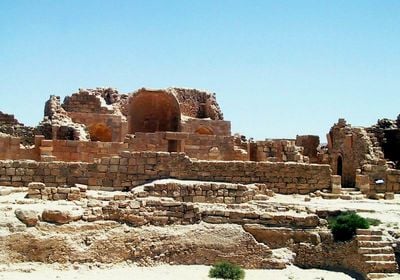
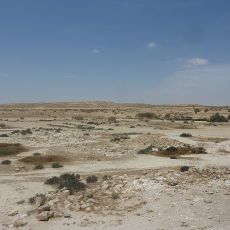
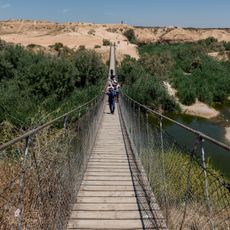
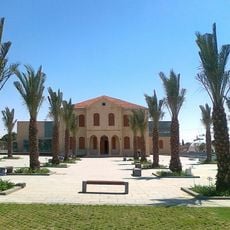
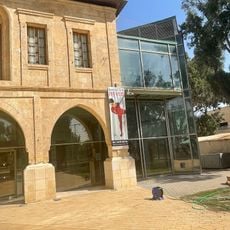
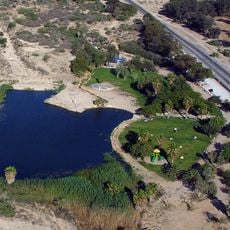
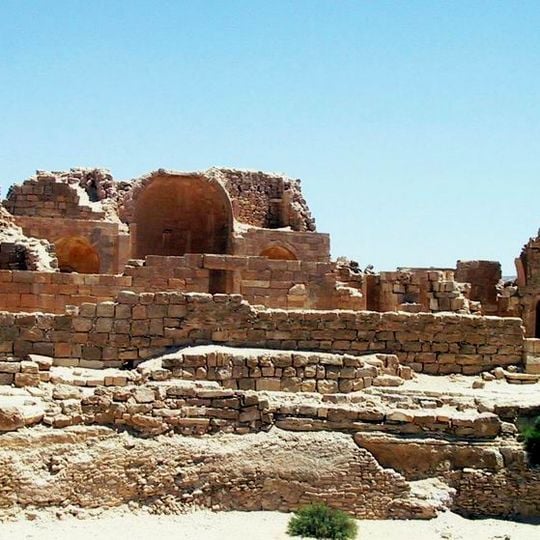
The Incense Route - Desert Cities in the Negev is an archaeological site in the Negev Desert linking four ancient cities: Avdat, Haluza, Mamshit, and Shivta. The remains include building foundations, stone structures, fortifications, and trading posts from the Nabataean period, connected by pathways across open desert terrain.
From around 300 BCE onward, Nabataean traders used this route to carry frankincense and myrrh from the Arabian Peninsula toward Mediterranean ports. Roman and then Byzantine powers took control of the cities over the following centuries, each leaving behind layers of new construction over older Nabataean remains.
The Nabataean people left visible traces of daily life in these settlements, with ruins of homes, temples, and marketplaces showing how a trading community functioned in the desert. At sites like Avdat, paved streets and church remains point to later Byzantine influences that reshaped how people used the space.
All four sites can be explored on foot, with marked paths leading through the ruins and across the open terrain. The desert climate can be very harsh, so carrying enough water, sun protection, and sturdy footwear is strongly recommended before setting out.
The Nabataeans built a sophisticated system of dams, channels, and cisterns that made farming possible in the desert despite very little rain. This system is still visible at several of the sites, showing how carefully water was collected and distributed across the land.
The community of curious travelers
AroundUs brings together thousands of curated places, local tips, and hidden gems, enriched daily by 91,799 contributors worldwide.