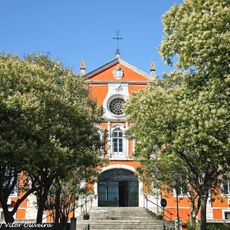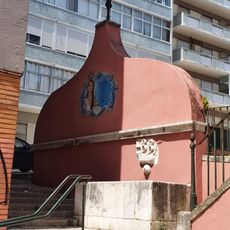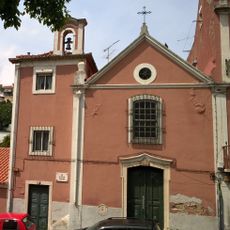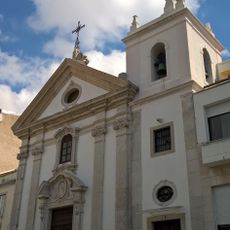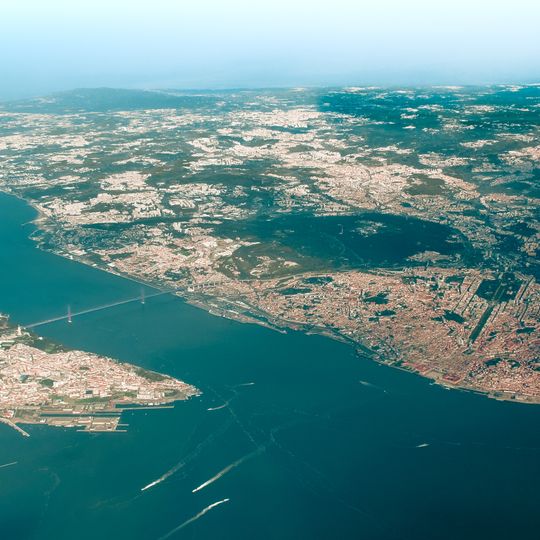
Lisbon metropolitan area, Metropolitan region near Atlantic coast, Portugal
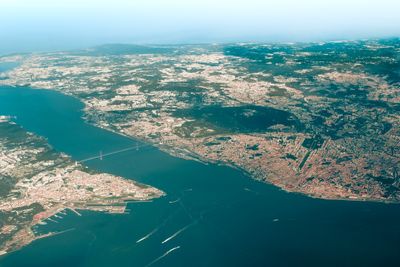
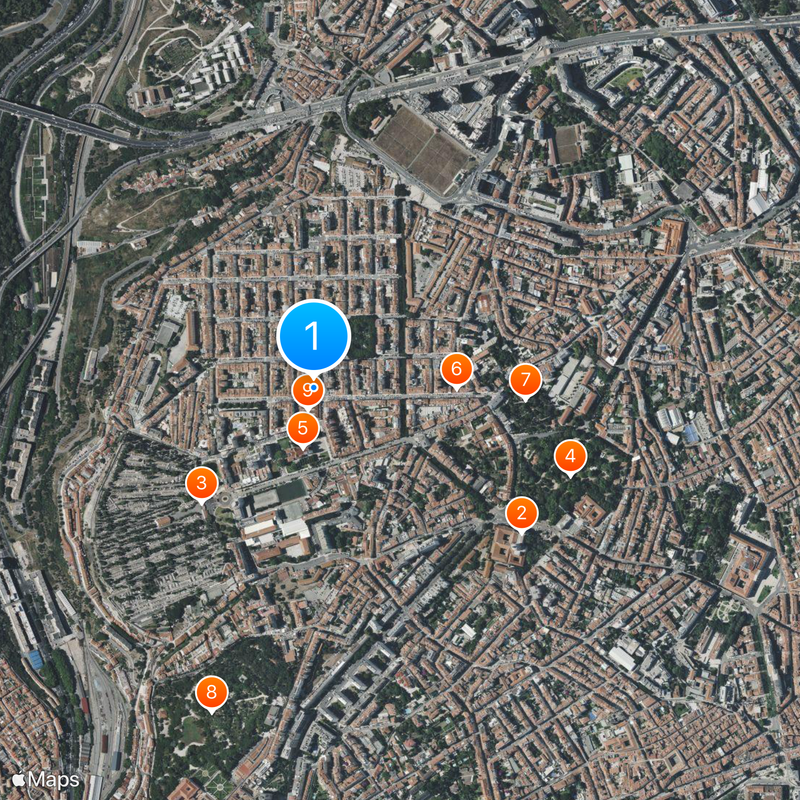
The Lisbon metropolitan area is a Portuguese administrative region along the Atlantic coast comprising eighteen municipalities stretching from the Tagus River to the Setúbal Peninsula. It includes urban centers, coastal strips, natural parks, and rural zones connected through a shared network of infrastructure.
This administrative structure emerged through regional planning reforms in the early 1990s following Portugal's entry into the European community. The reorganization grouped traditional districts under a functional framework for coordinated development and resource allocation.
The region contains numerous theaters, music venues, and museums, while Fado music performances occur regularly in traditional neighborhoods across different municipalities.
Visitors often move between several municipalities during a stay using trains, ferries, or buses to reach coastal towns, natural areas, and urban centers. Each municipality has its own service centers, markets, and local contact points that help with orientation on the ground.
The region administers two major river estuaries, the Tagus and the Sado, which create different ecosystems and coastal patterns on northern and southern banks. This geography influences local economic activities from fishing to salt harvesting that have continued for centuries.
The community of curious travelers
AroundUs brings together thousands of curated places, local tips, and hidden gems, enriched daily by 92,341 contributors worldwide.