Zavial Battery, Coastal fort in Vila do Bispo, Portugal
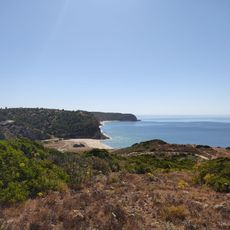
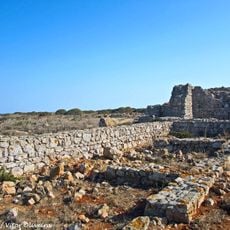
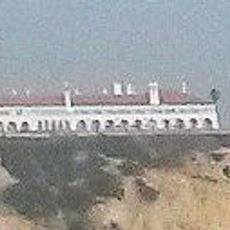
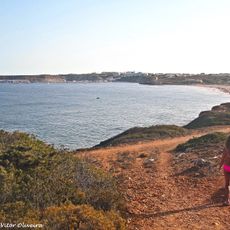
Zavial Battery is a coastal fortification in Vila do Bispo with a rectangular stone structure built on a cliff overlooking the Atlantic Ocean. The elevated position provided strategic defense and visual control of the coastline across a wide area.
The battery was ordered on 1 August 1763 by Governor D. Henrique de Meneses, after engineer Romão José do Rego advised in 1765 against rebuilding the earthquake-ruined Forte de Santo Inácio and recommended a battery on its site. It was already partly ruined by 1788; in 1821 it held only three iron guns in poor condition, and by 1840 it was abandoned. In 1938 its ruins passed to the Ministry of Finance.
The battery guarded the tuna-fishing armação at Zavial, documented since a 1569 permit by King Sebastião naming Pedro Dias as its mandador. A 1618 permit by Filipe II assigned the priest Vicente Freira to the armação's chapel, requiring Sunday mass, which shows the community's growth. The site also faced the 1759 Battle of Lagos, when the French ship Redoutable ran aground on Praia do Zavial and was set alight by British artillery.
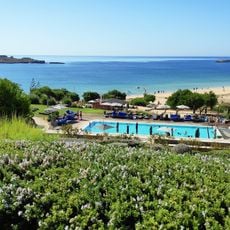
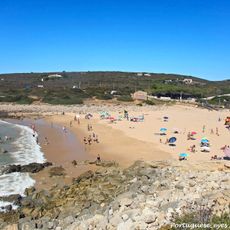
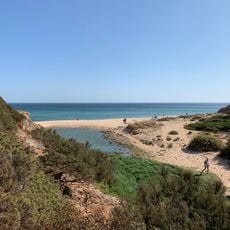
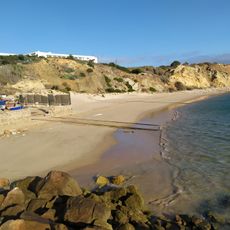
The site sits near Praia do Zavial Beach and remains accessible year-round without entrance fees or time restrictions. Visitors should exercise care when exploring the old stone structures, as some areas may be unstable.
The battery was not moved inland: it was built on the ruins of the Forte de Santo Inácio do Zavial, on the Ponta da Fisga promontory between the beaches of Ingrina and Zavial, after engineer Romão José do Rego advised against rebuilding the fort in his report of 18 June 1765. The fort itself stood on an isolated rock.
The community of curious travelers
AroundUs brings together thousands of curated places, local tips, and hidden gems, enriched daily by 93,176 contributors worldwide.