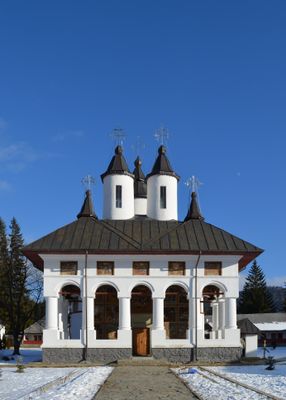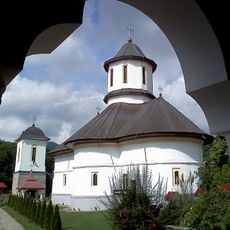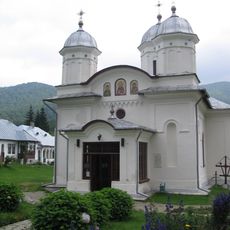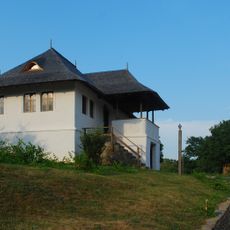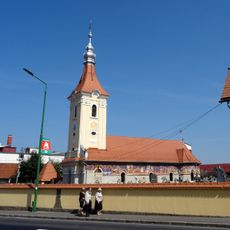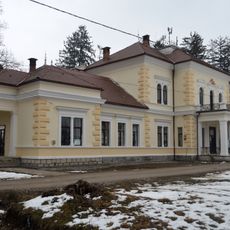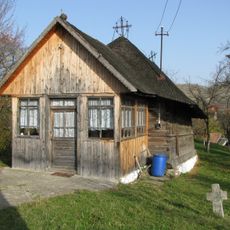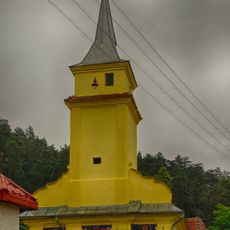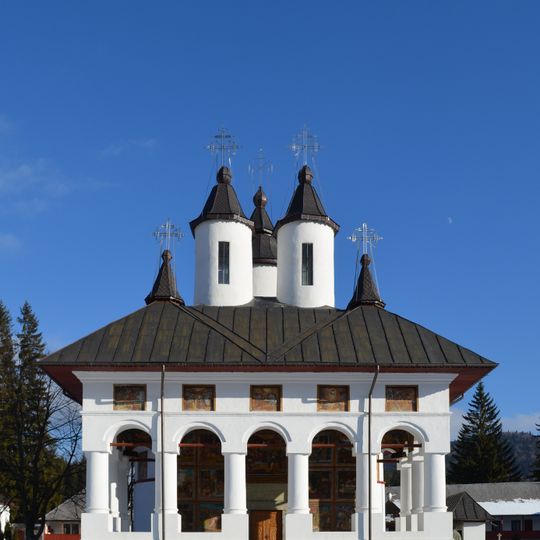
Cheia Monastery, Romanian Orthodox monastery in Cheia, Romania.
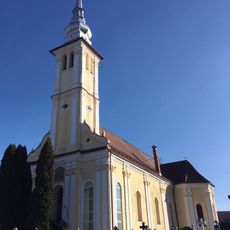
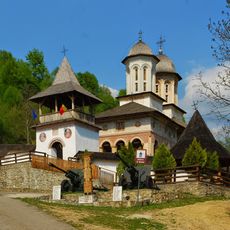
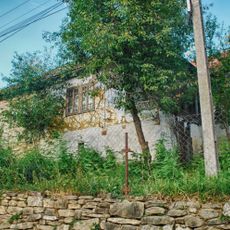
Cheia Monastery is a stone church building located near Tâmpa Creek in Prahova County, combining traditional Romanian architectural forms with Orthodox religious functions. Interior walls feature painted murals dating to the 1800s that depict religious subjects in classical Orthodox style.
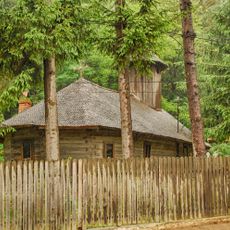
Originally constructed of wood in 1770, the monastery was destroyed during Ottoman raids in 1777 and subsequently rebuilt in stone between 1835 and 1839. This reconstruction transformed it from a temporary structure into the permanent building that survives today.
The monastery remains an active place of worship where Orthodox Christian practices shape the daily rhythm of the community and visitors witness religious ceremonies firsthand. The religious art and sacred space reflect the spiritual values that have defined this site for generations.
The monastery is accessible daily to visitors in the Cheia area of Prahova County, though it is wise to check local conditions before arrival. Parking is available, and visitors should dress respectfully to honor the sacred nature of the place.
Bishop Nicolae Popoviciu spent his final years in exile at this monastery during the Communist era and passed away here in 1960, giving the place a significant historical chapter. This episode shows how the monastery served as a refuge during turbulent times.
The community of curious travelers
AroundUs brings together thousands of curated places, local tips, and hidden gems, enriched daily by 92,184 contributors worldwide.