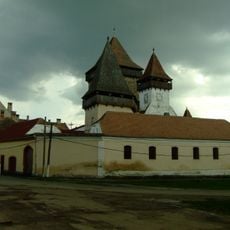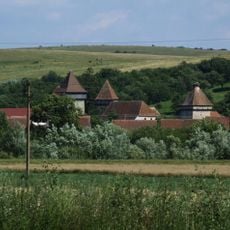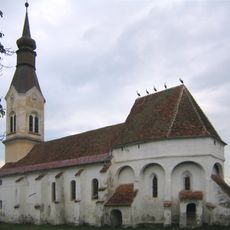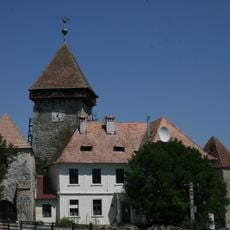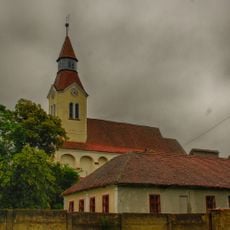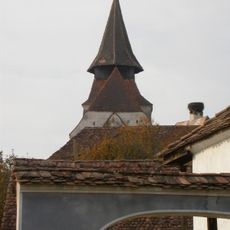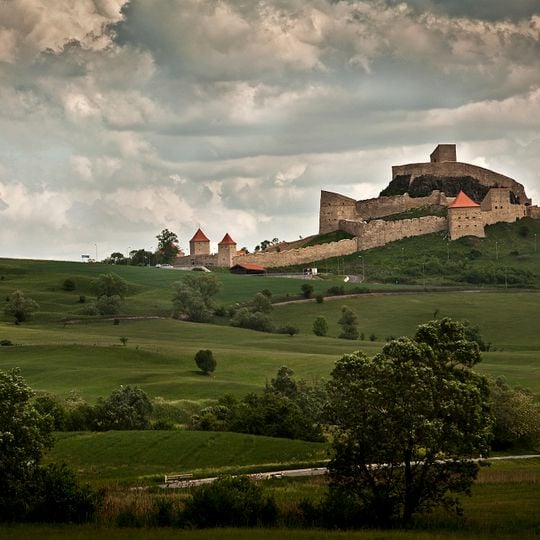
Rupea Citadel, Medieval citadel on basalt cliff in Rupea, Romania
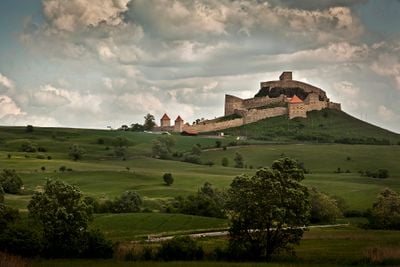
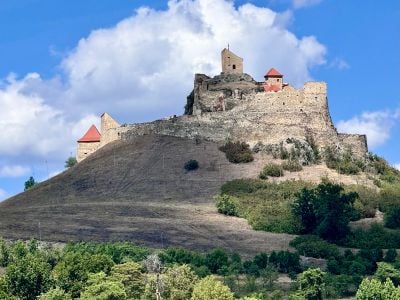
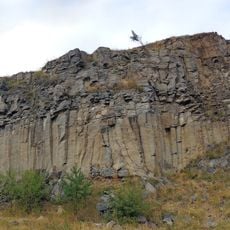
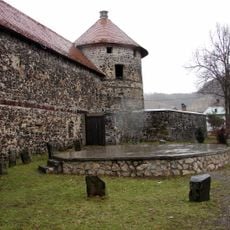
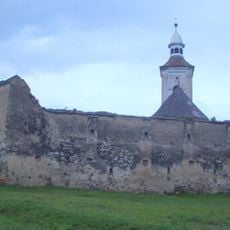
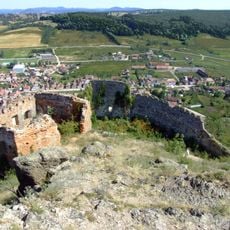
Rupea Citadel rises on a basalt hill in the town of Rupea, Brașov County, linking several courtyards, defensive towers and residential buildings through staircases and passages. Three rings of walls encircle the entire site and mark different defense zones that were expanded over centuries.
The fortress was first documented in 1324 as castrum Kuholm, when Saxons rebelling against King Charles I of Hungary took refuge inside it. It was built and expanded between the 14th and 17th centuries as a refuge for surrounding villages. Ottoman Turks attacked and plundered it between 1432 and 1437, and after a devastating fire in 1643 it was abandoned. In 1716 the walls sheltered survivors of a plague epidemic, and in 1790 a severe storm destroyed its roof, leading to final abandonment.
The name Rupea comes from the Latin rupes, meaning "cliff" or "cleft stone", after the basalt rock the fortress stands on. The first written mention, castrum Kuholm in 1324, refers to the Hungarian kőhalom, "pile of stones". The Bacon Tower in the upper fortress recalls the Saxon custom of storing smoked pork there.
The entrance sits at the foot of the hill, from where a steep path leads up through the outer gates. Sturdy shoes are helpful, as many staircases and uneven surfaces define the visit.
In the uppermost courtyard, traces of an old well reach down to great depths and secured the water supply during sieges. Remains of old channels and storage systems show how thoughtfully the compound was engineered.
The community of curious travelers
AroundUs brings together thousands of curated places, local tips, and hidden gems, enriched daily by 93,461 contributors worldwide.