Chagyrskaya Cave, Archaeological cave in Altai Mountains, Russia
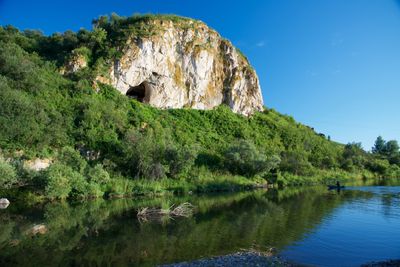
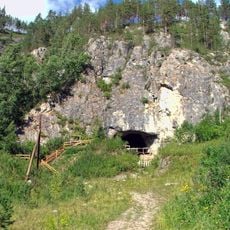
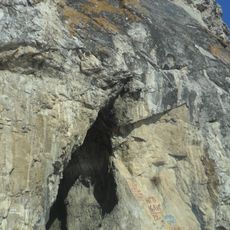
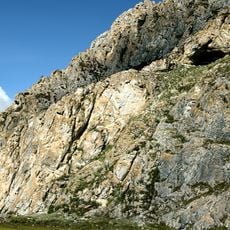
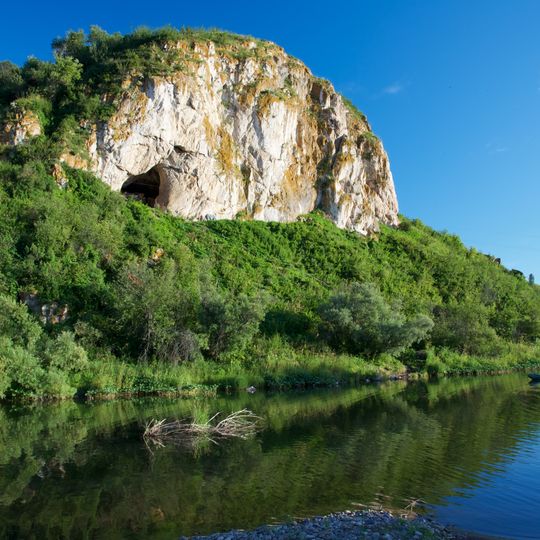
Chagyrskaya Cave is an archaeological cave in the Altai Mountains of Russia, with a wide stone entrance that opens toward a river valley and several chambers reaching about 115 feet (35 meters) into the hillside. Excavations there have uncovered stone tools, animal bones, and Neanderthal remains, making it one of the most significant Paleolithic sites in the region.
Systematic excavation of the site began in 1984 and revealed occupation layers going back roughly 59,000 years, when Neanderthals lived in and around the cave. Over time, the cave was used by different occupants in turns, including large carnivores that moved in between periods of human habitation.
Chagyrskaya Cave is one of only a handful of sites in Asia where Neanderthal bones and tools have been found together in the same place, making it a rare window into how these early people lived. Researchers working on-site carefully remove thin layers of sediment by hand, and visitors who come with a team can watch this slow, painstaking process up close.
The cave sits high above the river valley and is reached by steep, unpaved trails, so sturdy footwear and care are needed on the way up. Summer is the most practical time to visit, as research teams are often on-site and the paths are easier to manage.
DNA analysis of Neanderthal bones found here showed that some individuals were closely related to each other, suggesting they came from the same small group or family. This gives researchers a direct look at how Neanderthal social groups were actually structured, something rarely possible from fossil evidence alone.
The community of curious travelers
AroundUs brings together thousands of curated places, local tips, and hidden gems, enriched daily by 90,801 contributors worldwide.