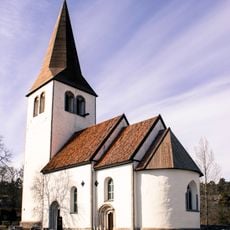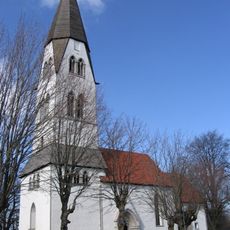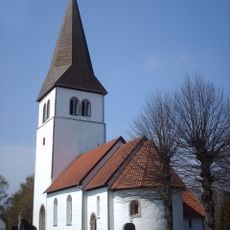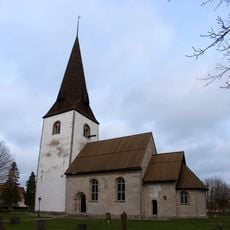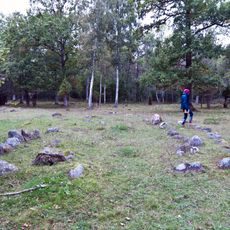
Hemse stave church, Medieval stave church in Gotland, Sweden
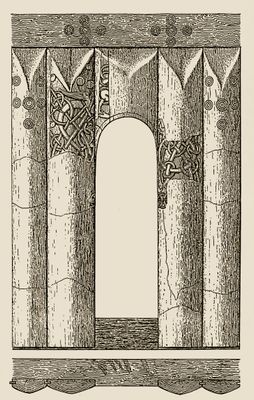
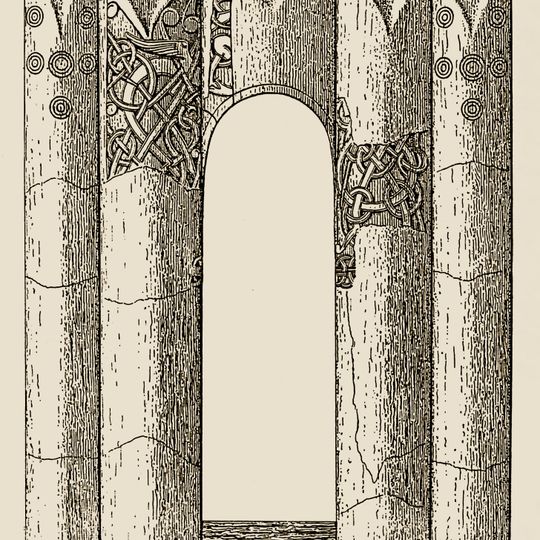
Hemse stave church was originally a wooden structure built with load-bearing oak posts and decorative details that were later incorporated into the replacement stone building. The construction consisted of upright wooden stakes forming the walls, a building method common in medieval Scandinavian architecture.
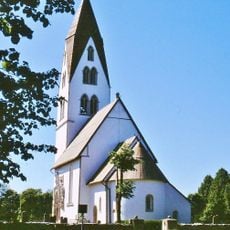
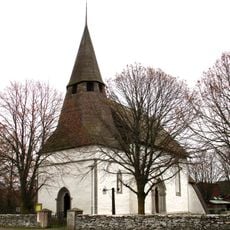
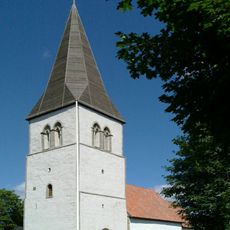
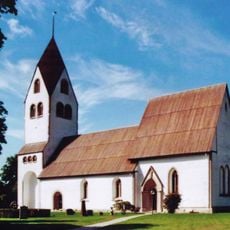
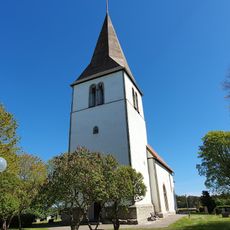
This church was built in the 11th century as a wooden structure during Sweden's Christianization period. In the 13th century, a stone church was erected in its place, with portions of the original wooden building incorporated into the new structure.
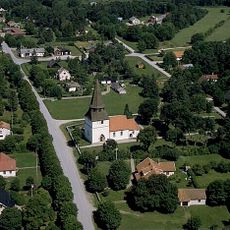
The church's name comes from the nearby village of Hemse on the island. Visitors today see the stone building that replaced the wooden structure, marking a shift in how this community built its religious spaces.
The stone church is accessible to visitors, though it is wise to check opening hours beforehand as rural churches often have limited access times. Some artifacts from the original wooden structure are kept in museums, so visiting those collections adds to your understanding of the site.
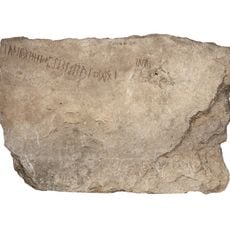
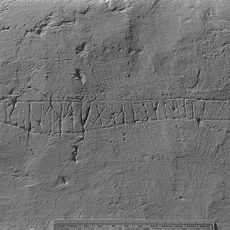
During restoration work in 1896, workers found that wooden components from the original stave church had been repurposed as flooring beneath the stone structure. These hidden pieces had remained concealed for about 600 years before their accidental rediscovery.
The community of curious travelers
AroundUs brings together thousands of curated places, local tips, and hidden gems, enriched daily by 60,000 contributors worldwide.