Rone Church, Medieval church in Rone, Sweden
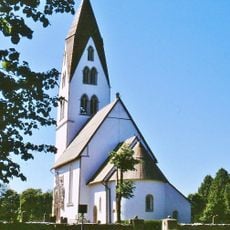
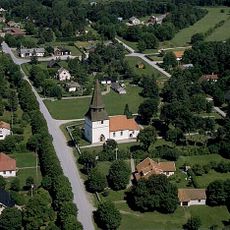
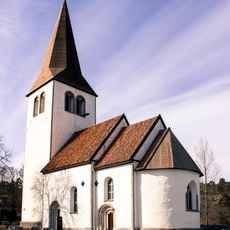
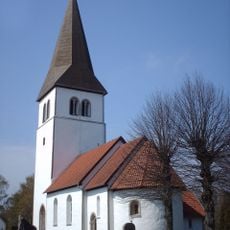
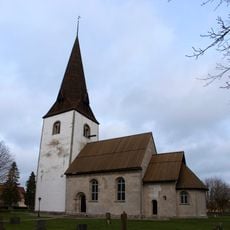
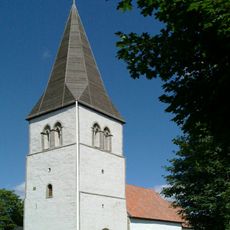
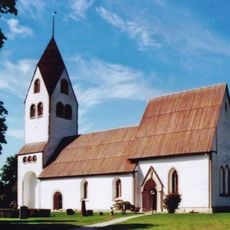
Rone Church is a plastered Gothic church of dressed limestone with sandstone and granite, consisting of a two-aisled nave, a narrower choir with a sacristy, and a tall west tower. The nave has four cross vaults on a slender central column, and the tower has galleries on three sides.
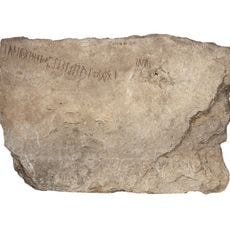
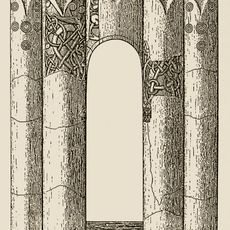
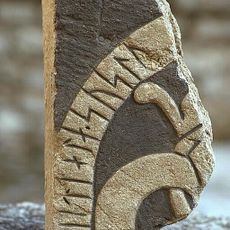
A smaller Romanesque church probably stood here first; only a few carved fragments survive, reused in the present building. The nave, choir and lower tower were built around 1300, and the tower was raised to its full height in the mid-14th century by the workshop art historians call Egypticus. Renovations followed in 1913–15 and 1954–55 under architect Eiler Graebe.
The church is known locally as Lang Jaku, after its patron saint James and its tall tower, a landmark for seafarers since the Middle Ages. Inside, murals from about 1300 show floral motifs, while mid-15th-century paintings by the Master of the Passion of Christ depict scenes from the Passion and childhood of Christ. A medieval cope is kept in the sacristy.
Rone Church stands in open farmland near Gotland's southeast coast, so access is easiest by car or bicycle on the roads through Rone. The tower galleries and portals are best seen from outside; the interior is entered through the two southern portals. The churchyard is still in use, and the building remains an active parish church of the Alva, Hemse and Rone parish, so visits should fit around services.
The medieval stained glass in Rone is among the oldest of its kind on Gotland and may have come from the earlier Romanesque church; it now fills the three east windows, with imitations added during the 1913–15 renovation. Medieval stained glass survives in only about thirty Swedish churches.
The community of curious travelers
AroundUs brings together thousands of curated places, local tips, and hidden gems, enriched daily by 93,369 contributors worldwide.