Lule lappmark, Historical Sami territory in Norrbotten County, Sweden
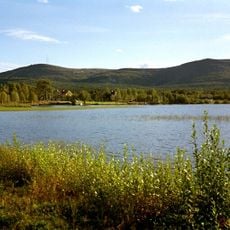
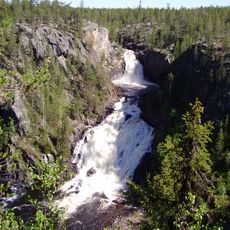
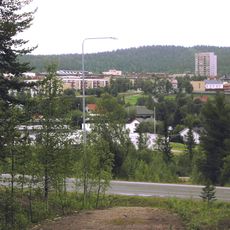
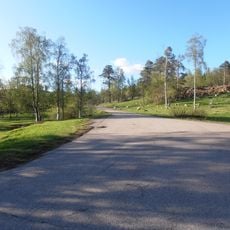
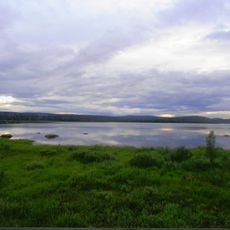
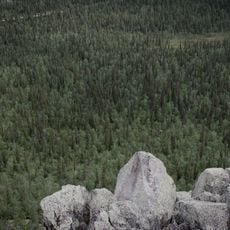
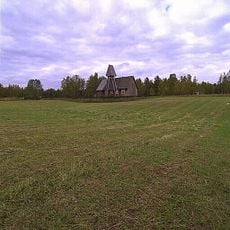
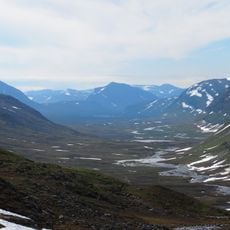
Lule Lappmark stretches across vast landscapes with dense forests in the east and mountains in the west, interspersed with numerous lakes. The terrain transitions gradually from boreal woodland to alpine tundra at higher elevations, creating distinct ecological zones.
Medieval traders called birkarlar held exclusive trading rights with Sami communities, giving them significant economic power over the region. Swedish authorities later built upon this system to establish taxation and administrative control.
The four Sami villages of Sjokksokk, Jokkmokk, Tuorpon, and Sirkas still shape the region today, each reflecting distinct ways of life and land use. Walking through these places, you notice how each community adapted differently to the landscape and its resources.
The region is most accessible from early summer through early autumn when conditions are most favorable for travel and exploration. Visitors should prepare for changing weather and bring appropriate gear for traversing forests and mountainous terrain.
Court documents from Jokkmokk contain detailed records of how lay judges interpreted Sami customs and managed natural resources. These historical writings reveal surprising insights into legal decision-making in this remote region.
The community of curious travelers
AroundUs brings together thousands of curated places, local tips, and hidden gems, enriched daily by 92,440 contributors worldwide.