Luleå–Narvik railway line, railway line in Sweden and Norway
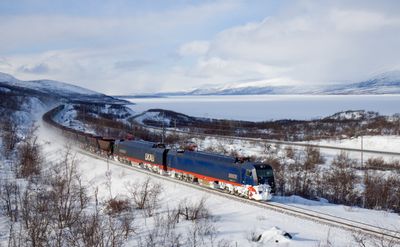
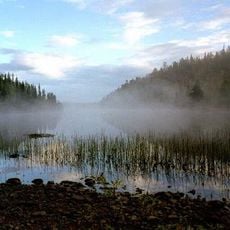
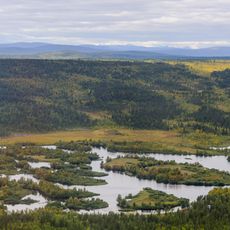
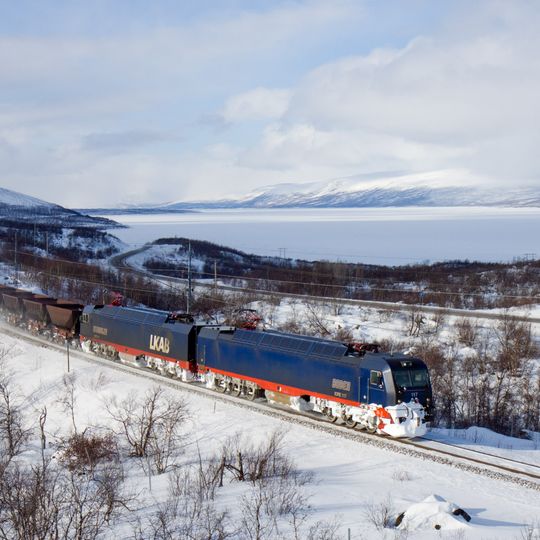
The Luleå-Narvik railway line is a 473-kilometer train route that runs through northern Sweden and Norway, connecting two countries. It passes through forests, across lakes, and through the Scandinavian Mountains before descending to the fjord at Narvik, serving primarily iron ore transport with occasional passenger services.
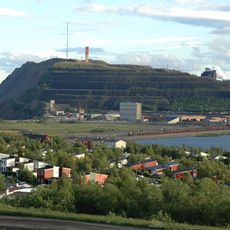
Built between 1883 and 1902, the line was constructed to transport iron ore from Kiruna mines to ports, an ambitious project given difficult terrain and harsh climate. During World War II, it became strategically vital for ore shipments and saw military action, including an attempt to destroy the Norddalsbrua bridge.
The railway connects two nations and shapes daily life in northern communities, particularly through iron ore transport that remains economically vital. Travelers today experience stations and small towns whose character reflects their long relationship with this historic connection.
The journey from Luleå to Narvik takes about eight hours and runs on schedule, with regular stops at small stations for stretching. An onboard kiosk offers snacks and drinks, and the border crossing between Sweden and Norway is typically straightforward.
A curve section near Narvik marks the northernmost point of the standard gauge railway network in Western Europe. This geographic distinction makes the route a record-holder that few railway enthusiasts recognize.
The community of curious travelers
AroundUs brings together thousands of curated places, local tips, and hidden gems, enriched daily by 90,853 contributors worldwide.