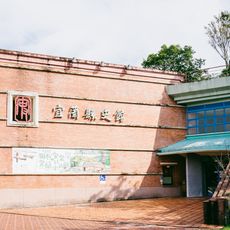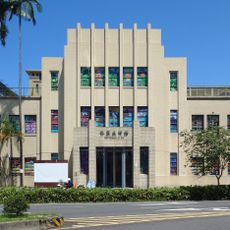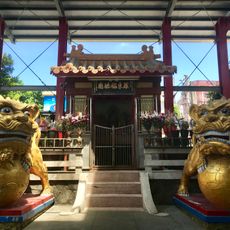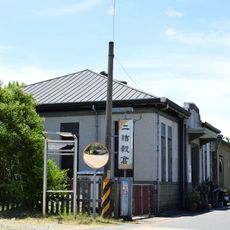
Yilan Plain, Triangular alluvial plain in northeastern Taiwan
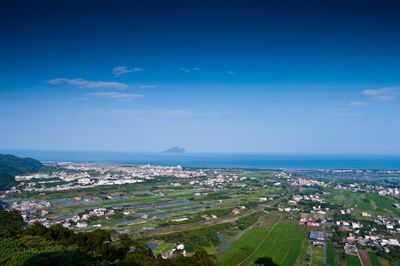
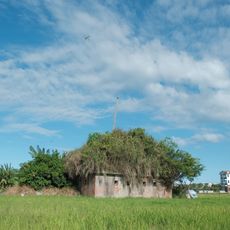
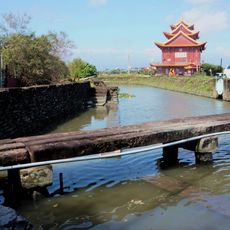
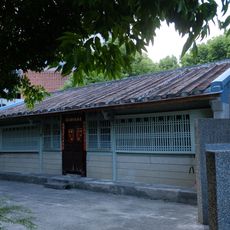
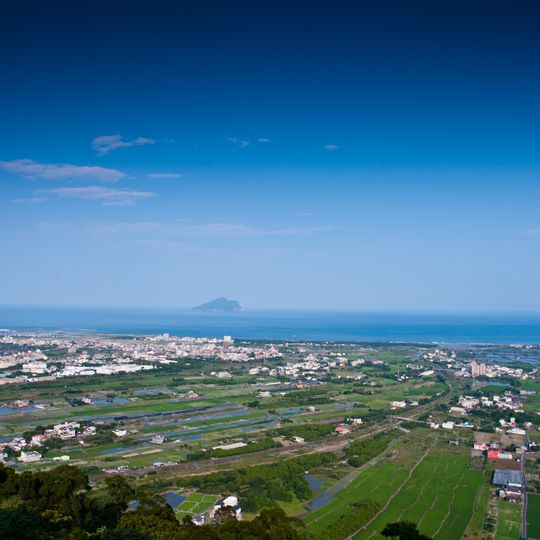
Yilan Plain is a triangular lowland in northeastern Taiwan shaped by sediments from the Lanyang River, covering a broad area that fans out toward the coast. The flat terrain is filled with rice fields, small towns, and waterways that together create the region's rural character.
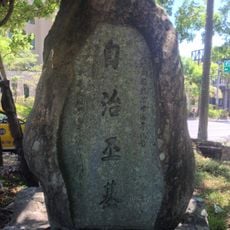
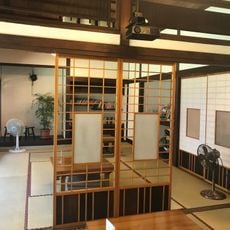
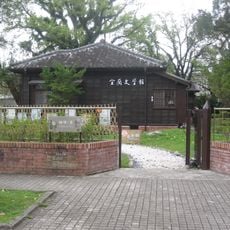
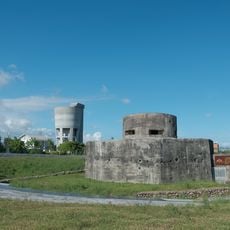
The Kavalan indigenous people lived in this land before Han Chinese settlement began in 1787, establishing their own societies and systems. Later the region became part of Japanese administrative control and saw significant changes to its governance and land use.
Rice farming shapes how locals see themselves and has done so for centuries, with the crop defining the rhythm of daily life and the landscape's appearance. Seasonal festivals and traditional practices connected to agriculture remain important to communities across the region.
A tunnel completed in 2006 connects the plain to Taipei, greatly shortening travel time from the capital. Getting around by car or bus works well since points of interest spread across the flat landscape.
The plain contains three distinct town centers, each serving different roles within the region's character. One draws visitors for natural hot springs, another functions as the administrative hub, and the third is known for a lively night market.
The community of curious travelers
AroundUs brings together thousands of curated places, local tips, and hidden gems, enriched daily by 92,052 contributors worldwide.