Kilburn, Residential district in northwest London, England
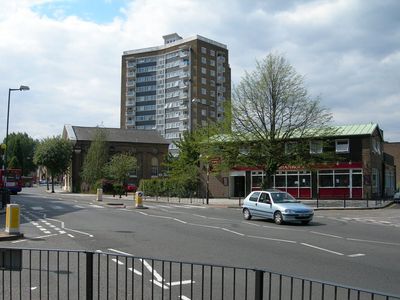
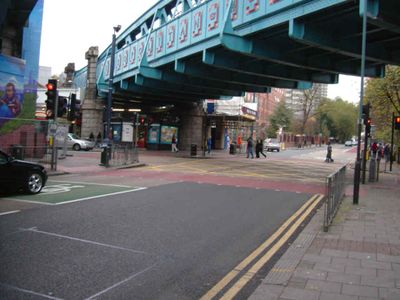
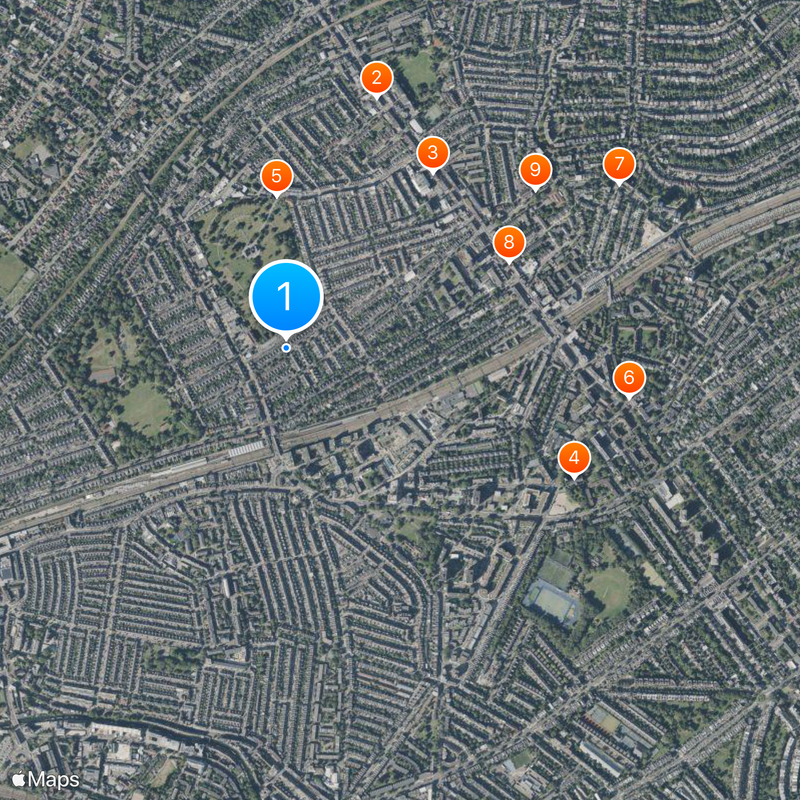
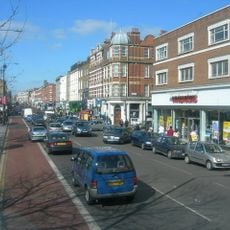
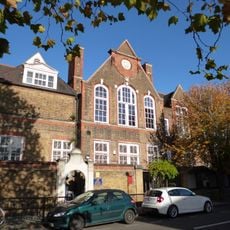
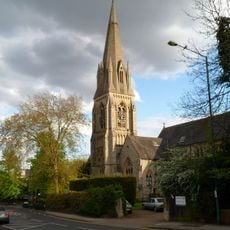
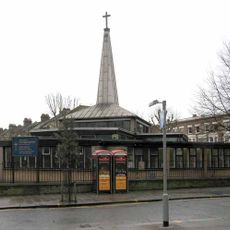
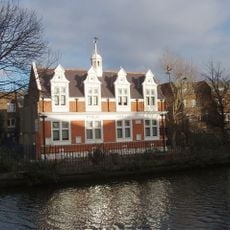
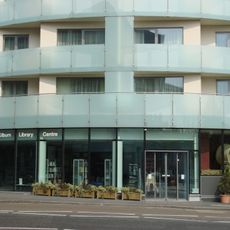
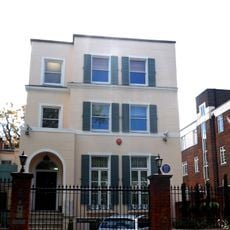
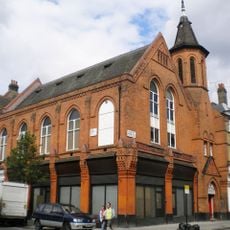
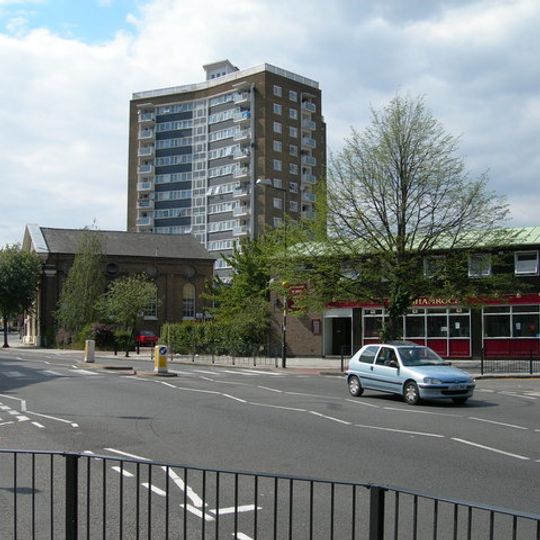
Kilburn extends across three London boroughs – Brent, Camden, and Westminster – and is cut through by Kilburn High Road, which serves as the central artery. The residential area mixes Victorian terraced houses with modern apartment blocks, while small businesses, shops, and markets line the main street and shape the streetscape.
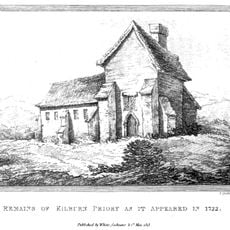
The area began in 1134 around a priory founded by a hermit named Godwyn near Kilburn Brook. After the priory dissolved in 1536 under Henry VIII, the village grew into a residential district for workers and migrants during the 19th century.
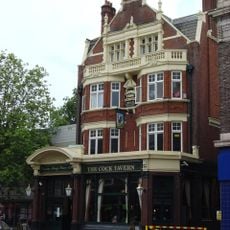
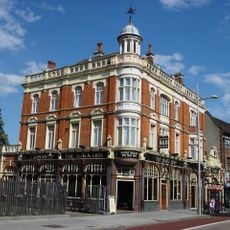
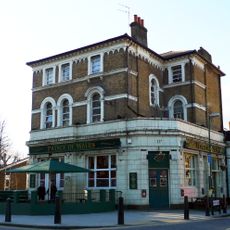
The area holds the largest Irish community in London, visible through shops and pubs that line the main street. Caribbean residents also shape the neighborhood with their restaurants and stores, contributing to the everyday streetscape.
The neighborhood connects through several Underground stations, including Kilburn Station on the Jubilee Line and Kilburn Park on the Bakerloo Line, both bringing travelers into the center. Buses run along the main road and link the area to surrounding districts and major transport hubs.
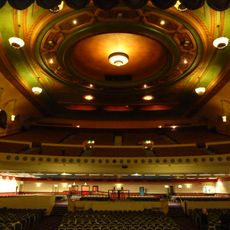
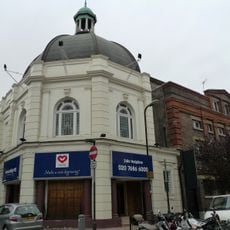
The Gaumont State Cinema, built in 1937, was the largest cinema in Europe and had its own ballroom for visitors. Today the building serves as a religious facility but keeps its Art Deco exterior with the tall tower and characteristic lines.
The community of curious travelers
AroundUs brings together thousands of curated places, local tips, and hidden gems, enriched daily by 90,755 contributors worldwide.