Seahenge, Bronze Age timber circle in Norfolk, England
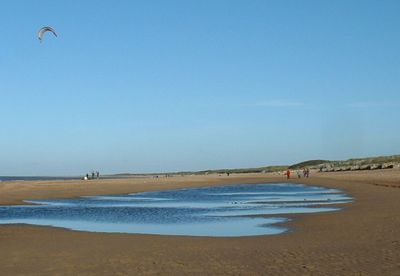
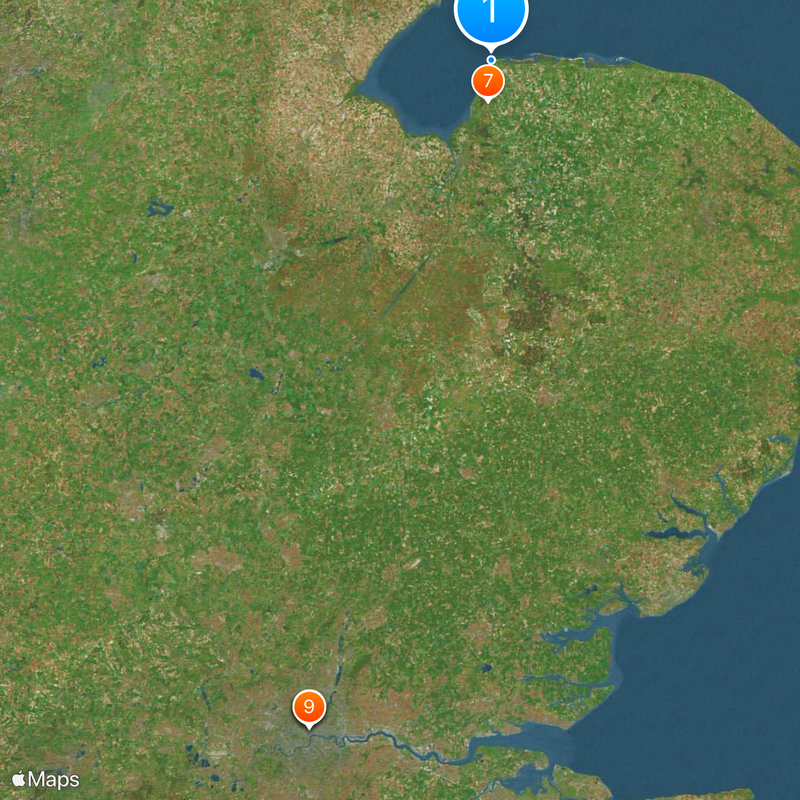
Seahenge is a timber circle on the beach at Holme-next-the-Sea in Norfolk, built around a central oak trunk placed with its roots pointing upward. The arrangement consists of fifty-five upright posts set tightly side by side, forming a continuous ring.
The construction took place in the spring or early summer of 2049 BCE, as tree-ring analysis shows. Coastal communities built the site within a short span, likely over a few weeks.
The monument's name references the better-known stone formation in Wiltshire, though here wood formed the entire construction. The positioning of the timbers follows solar alignments that remain visible through their recorded orientations.
The original location lies in a tidal zone and remains closed to visitors. Preserved timbers can be viewed at the Lynn Museum in King's Lynn, where they are kept under controlled conditions.
Winter storms in 1998 uncovered the structure after it lay hidden beneath North Sea sands for over four thousand years. Dendrochronology allowed dating precise to the season when the trees were felled.
The community of curious travelers
AroundUs brings together thousands of curated places, local tips, and hidden gems, enriched daily by 90,808 contributors worldwide.