Lanarkshire, Historic county in Central Lowlands, Scotland
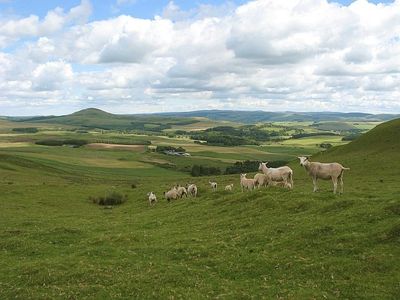
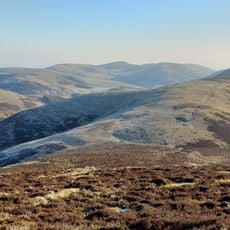
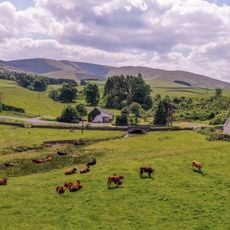
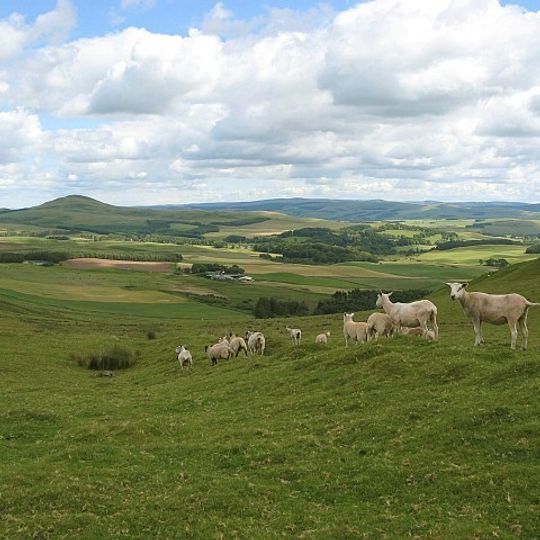
Lanarkshire is a historic county in Scotland's Central Lowlands, covering the River Clyde basin from industrial towns in the north to rolling hills and farmland in the south. The territory stretches across valleys and uplands, with scattered villages and older market towns marking the route between Glasgow and the English border.
King David I established the territory as an administrative shire in the 12th century, making Lanark the governing center for the surrounding countryside. Later centuries brought coal mining and iron smelting, transforming parts of the region into one of Scotland's industrial heartlands by the 1800s.
The county name comes from Lanark, the medieval administrative center that once served as the main town for the region. Today the area connects old trading routes with modern roads and railways linking Glasgow to destinations across the border.
The M74 motorway runs north to south through the county, linking Glasgow with Carlisle and providing access to towns along the way. Regional trains on the West Coast Main Line stop at several stations, connecting travelers to nearby cities and villages within the broader area.
Iron ore deposits beneath the surface fueled the rise of blast furnaces and steelworks across the county during the 19th century, leading to the growth of mill towns and mining communities. Most of these heavy industries have since closed, but the settlement patterns and place names still reflect that industrial past.
The community of curious travelers
AroundUs brings together thousands of curated places, local tips, and hidden gems, enriched daily by 91,866 contributors worldwide.