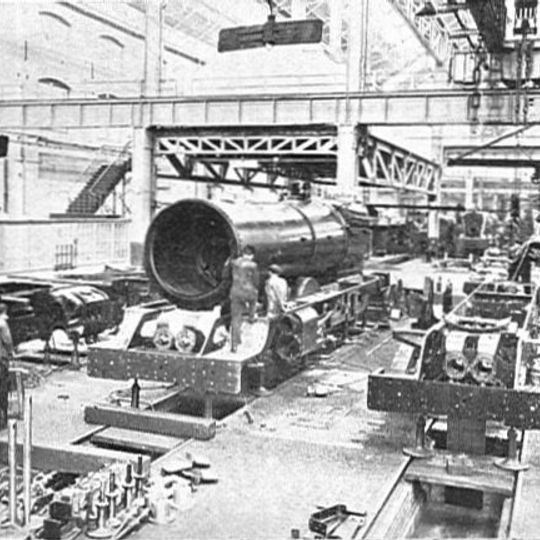
Swindon Works, railway workshops in Swindon, Wiltshire, England
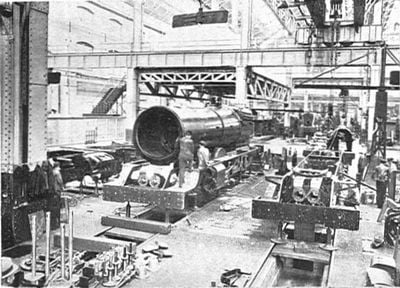
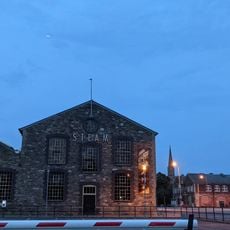
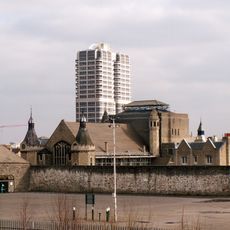
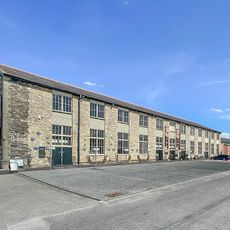
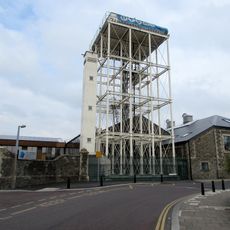
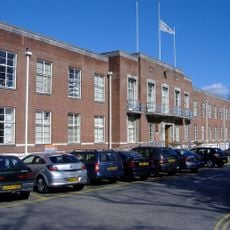
Swindon Works was a major railway workshop in Swindon, England, established in 1843 and closed in 1986. The site housed numerous workshop buildings, storage facilities, and manufacturing areas spread across an extensive area, serving as the hub for locomotive and train carriage production for the Great Western Railway.
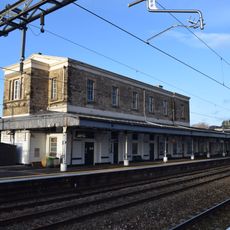
The workshop was established in 1843 after engineer Daniel Gooch identified Swindon as an ideal site for railway repair and manufacturing due to its location on the railway line and access to coal supplies. Over many decades the site grew into one of Britain's most important railway centers, producing famous locomotives such as the King Class and Castle Class engines, before finally closing in 1986.
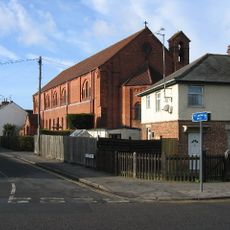
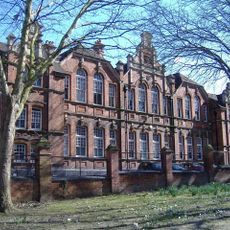
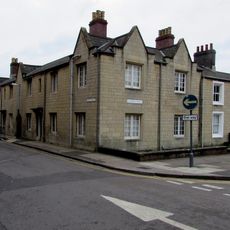
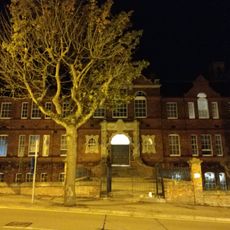
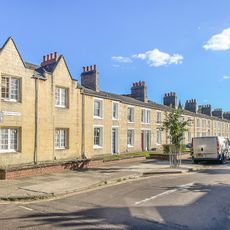
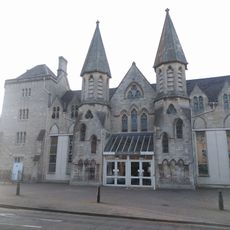
Swindon Works shaped the town's identity as a railway hub for over a century. The workers and their families formed a close community living in purpose-built houses, schools, and churches, creating a factory town whose character remains visible in the preserved buildings and neighborhoods that still stand today.
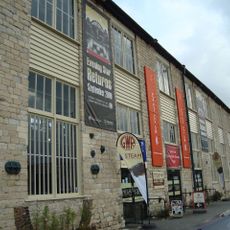
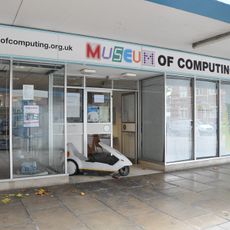
The site is centrally located in Swindon and can be easily reached by bus or car. Today visitors can explore sections of the old grounds with preserved buildings, visit the museum, and learn about the history of railway manufacturing on the site.
The locomotive City of Truro, built here, was the first railway engine to travel faster than 100 miles per hour and marked a technological milestone in railway history. This achievement shows the engineering excellence for which Swindon Works became known worldwide.
The community of curious travelers
AroundUs brings together thousands of curated places, local tips, and hidden gems, enriched daily by 92,634 contributors worldwide.