Dunster, village, civil parish and former manor within the English county of Somerset
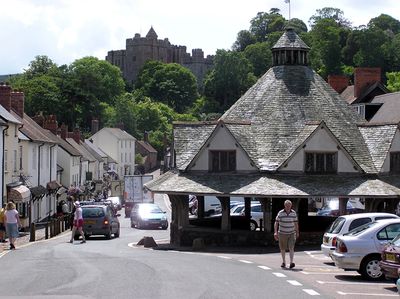
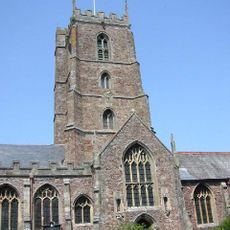
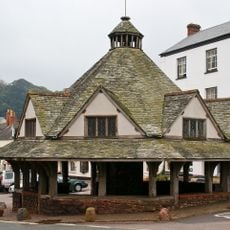
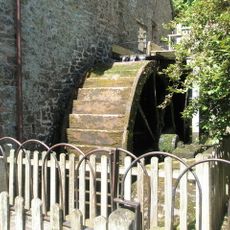
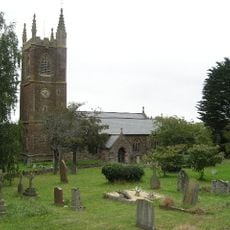
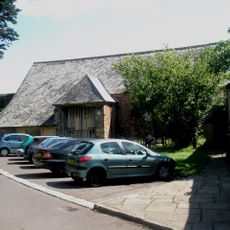
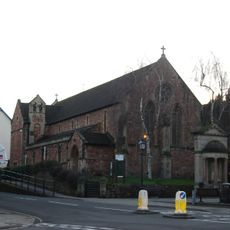
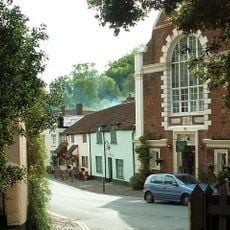
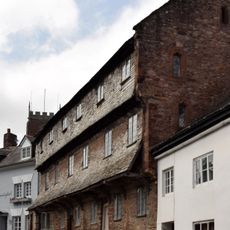
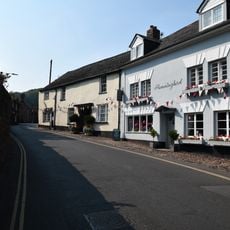
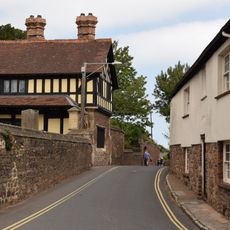
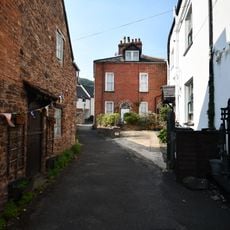
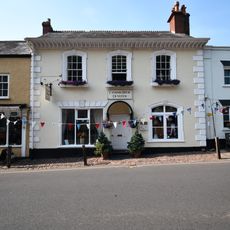
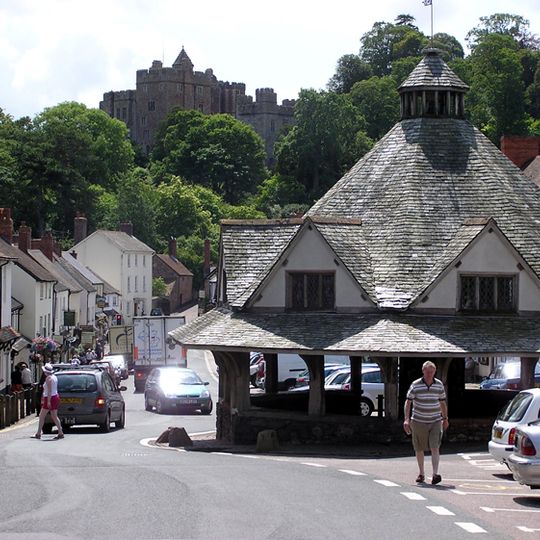
Dunster is a village in southwest England near the coast, known for its well-preserved medieval structures. The settlement includes old stone buildings, narrow streets, Dunster Castle, and several historic structures such as St George's Church, the Yarn Market, and a working watermill from the 18th century.
The village was founded around Dunster Castle after the Norman Conquest in 1066, initially built in wood and later rebuilt in stone. It developed into an important wool trading center with a harbor, with the Luttrell family shaping the place for over 600 years.
Dunster grew as a wool trading center, and this heritage shapes the village today. The Yarn Market, an octagonal building on the main street, shows how important the textile trade was to the community and helps visitors imagine the busy market days of centuries past.
The village is easily reached by car or public transport and has a historic railway station with a nostalgic train line. Visitors should wear comfortable shoes, as exploring narrow streets and uneven historic roads requires good footing.
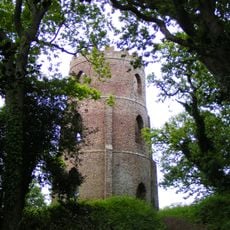
The village was part of Britain's coastal defenses during World War II, with bunkers and pillboxes still visible today. Conygar Tower, a red sandstone structure built in the 1770s for breeding rabbits for food, offers views of the surrounding landscape from its height.
The community of curious travelers
AroundUs brings together thousands of curated places, local tips, and hidden gems, enriched daily by 90,921 contributors worldwide.