Shildon, town in County Durham, England
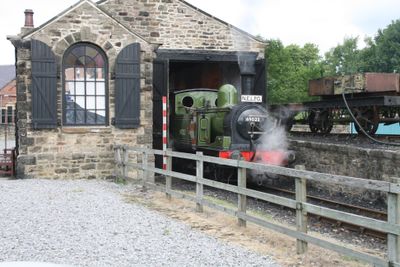
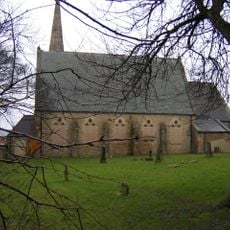
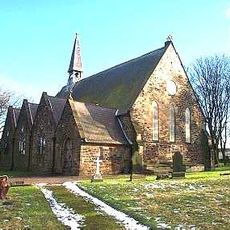
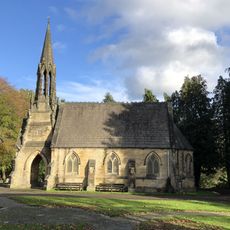
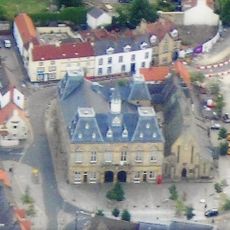
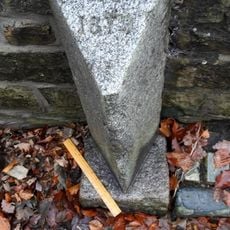
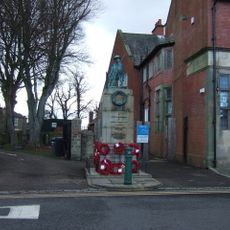
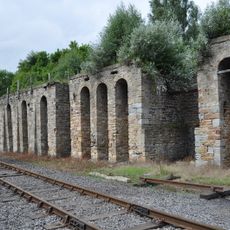
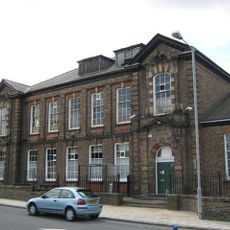
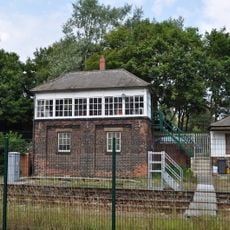
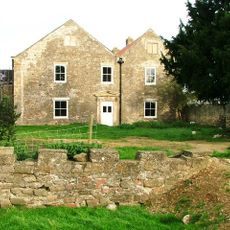
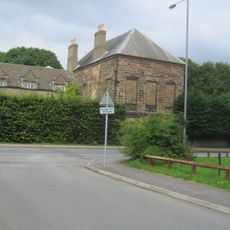
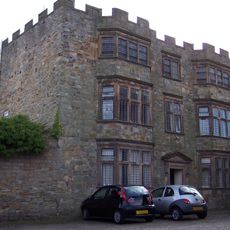
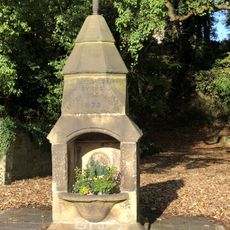
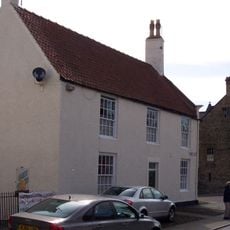
Shildon is a small town in County Durham, north England, built around the railway industry and shaped by it since the 19th century. The settlement features brick and stone buildings with functional design, original railway tracks now converted into walking paths, and preserved factory and engine shed structures that reveal its working-class heritage.
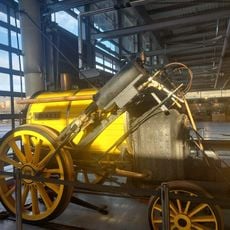
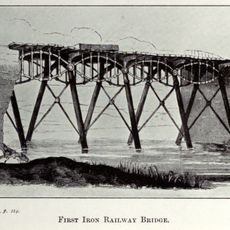
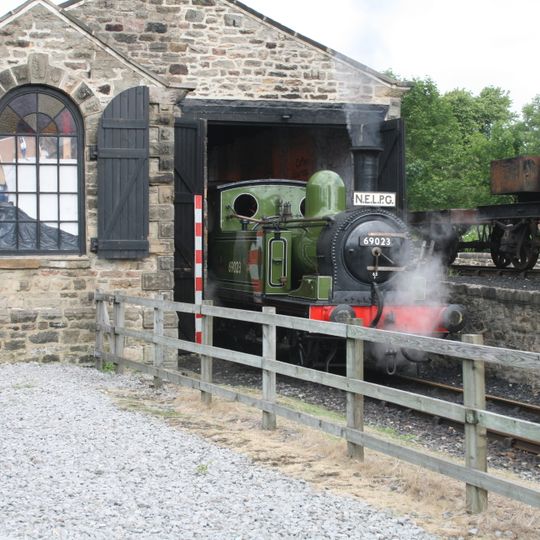
Shildon became the cradle of railways in the 1820s when the Stockton & Darlington Railway was built, one of the world's first lines with steam-powered trains. Its opening in 1825 brought engineers like Timothy Hackworth and locomotives like Locomotion No. 1 to the town, triggering rapid growth and industrialization that lasted for over a century.
The town's name derives from words meaning 'shelf-shaped hill' or 'shelter', reflecting its position on a steep limestone slope. Residents take pride in their railway heritage, celebrating it through local events and by preserving historic buildings that tell stories of engineering innovation and community resilience.
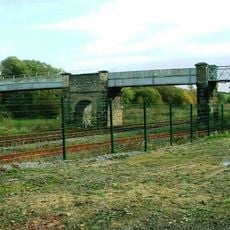
Shildon's railway station remains in operation today and connects the town to nearby places like Darlington and Bishop Auckland. Buses also serve the area, and walking trails follow old railway routes and heritage sites, allowing visitors to explore the industrial past on foot.
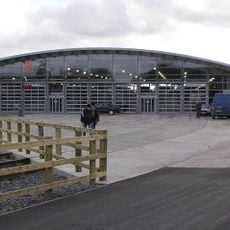
Shildon hosted the world's first publicly operated steam-powered railway and Locomotion No. 1, which carried passengers in 1825, revolutionizing modern transport history. The Locomotion Museum preserves this legacy through restored locomotives and original tools that show how early engineers developed this groundbreaking technology.
The community of curious travelers
AroundUs brings together thousands of curated places, local tips, and hidden gems, enriched daily by 60,000 contributors worldwide.