Dore, village in South Yorkshire, UK
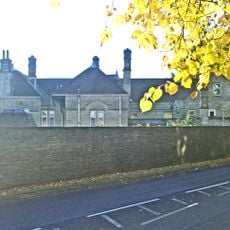
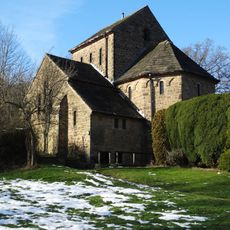
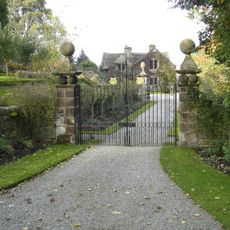
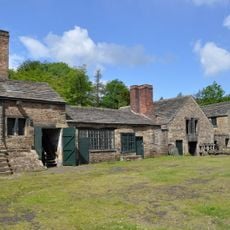
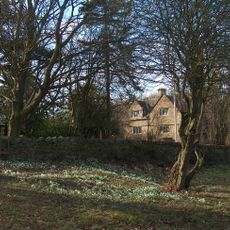
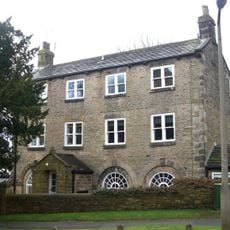
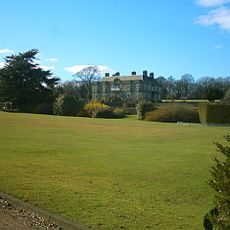
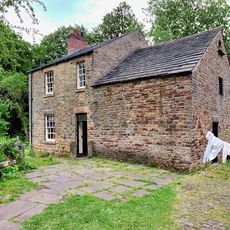
Dore is a village in Sheffield featuring stone houses and narrow lanes that follow a historical pattern established centuries ago. Green spaces, woodlands and parks surround the area, creating a distinct separation from the busy urban center nearby.
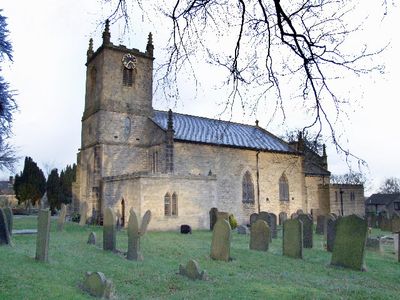
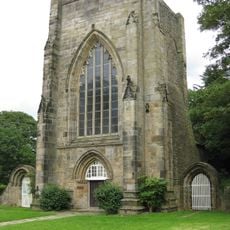
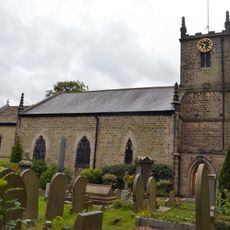
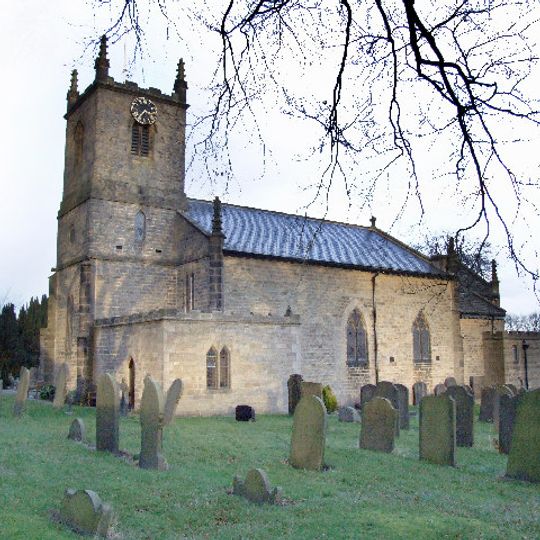
Dore became the site of a significant 829 meeting between King Ecgbert and the Northumbrians, solidifying Ecgbert's rule across much of England. The 19th century brought new roads through the Enclosure Act, the construction of Christ Church in 1828, and later a railway station that attracted wealthy factory owners to settle in the village.
The name Dore originates from its ancient position on a border between two kingdoms, reflecting its historical importance. Today the community gathers at village greens and celebrates traditions like the Dore Feast with local crafts and food, keeping these customs alive through regular festivities.
The village is best explored on foot, with narrow lanes and green spaces easily accessible to visitors. Nearby woodlands and parks offer extended walking options for those wishing to spend more time in the surrounding natural areas.
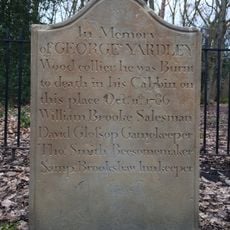
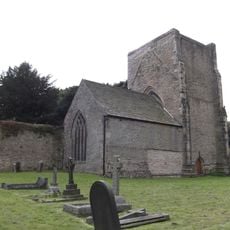
Christ Church was designed by Richard Furness, who worked as a village schoolmaster and filled multiple roles in the community. The Totley Tunnel, a major 1893 construction project, ranks as Britain's second longest tunnel, and early workers who died during its construction are commemorated in nearby gravestones.
The community of curious travelers
AroundUs brings together thousands of curated places, local tips, and hidden gems, enriched daily by 91,874 contributors worldwide.