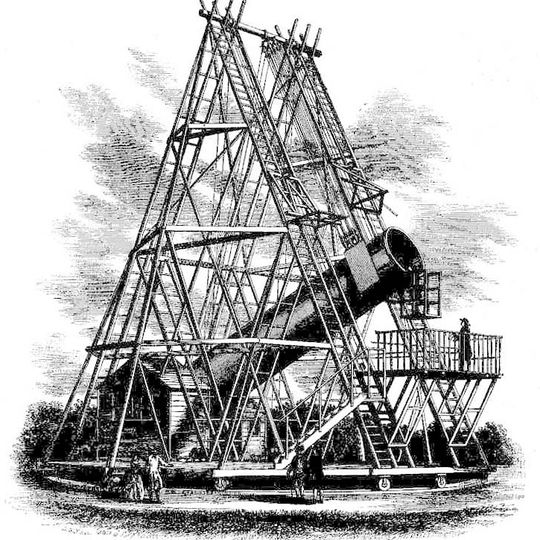
40-foot telescope, Historical reflecting telescope in Slough, England
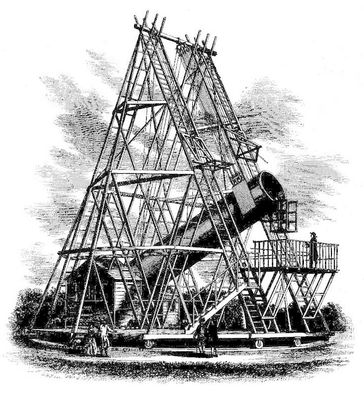
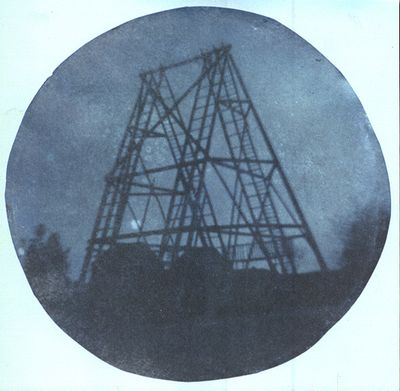
The 40-foot telescope was a large reflecting telescope developed by William Herschel in Slough, measuring approximately 12 meters in length. Its primary mirror had a diameter of 48 inches and was mounted in a special frame that allowed the instrument to point in any direction across the sky.
William Herschel constructed the telescope between 1785 and 1789 with support from King George III, who provided substantial funding for this astronomical project. The instrument enabled important discoveries in astronomy and shaped the research of that era.
This telescope became a symbol of women's participation in astronomy, as Caroline Herschel worked here as England's first paid female astronomy assistant. Her role demonstrated how the instrument created a space where scientific contribution was valued regardless of gender.
Visiting requires advance planning, as access is limited and modern visitor arrangements are in place. It is advisable to check opening times and visit conditions beforehand to make the most of your time at this historical site.
The telescope remained the world's largest of its kind for more than 50 years and led to the discovery of several Saturn moons. This achievement made it a milestone in astronomical research and demonstrated the capabilities of technology at that time.
The community of curious travelers
AroundUs brings together thousands of curated places, local tips, and hidden gems, enriched daily by 60,000 contributors worldwide.