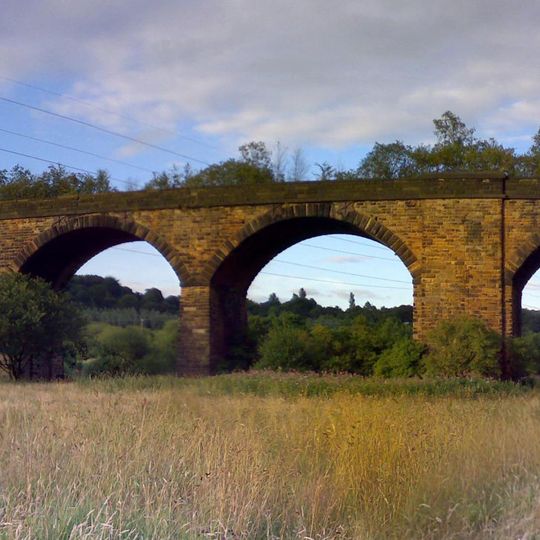
Clifton Viaduct, Railway viaduct in Salford, England
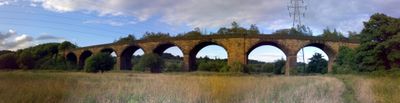
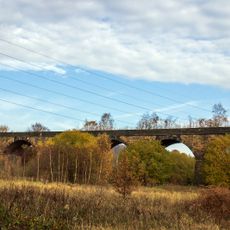
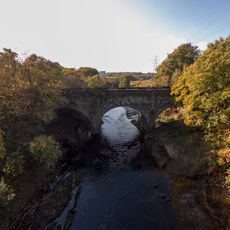
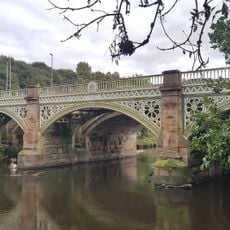
Clifton Viaduct is a stone bridge with thirteen arches that spans across the Irwell Valley and also crosses above the Manchester, Bolton and Bury Canal. The construction demonstrates typical Victorian engineering methods and was designated as a listed building because of its architectural quality.
The viaduct was built in 1846 as part of the Manchester, Bury and Rossendale Railway and carried trains across the valley for over 120 years. After the railway line closed in 1966, the structure stopped serving its original purpose but survived as a local landmark.
The structure earned local recognition as a symbol of industrial progress and the railway age that transformed Northern England. When walking alongside the nearby towpath, visitors can observe how the architecture reflects the confidence and ambition of the Victorian era.
The structure itself is not open to the public, but it can be clearly seen from the walking path that runs alongside the adjacent Clifton Aqueduct. Best viewing conditions occur during daylight hours when the stone arches are well-lit and the surrounding path is easy to navigate.
The structure is known locally as '13 Arches', a name that refers directly to the distinctive stone arches that cross the valley. This informal name has stuck in the community and shows how the visible arches have become the defining feature of how residents think about and describe this landmark.
The community of curious travelers
AroundUs brings together thousands of curated places, local tips, and hidden gems, enriched daily by 91,690 contributors worldwide.