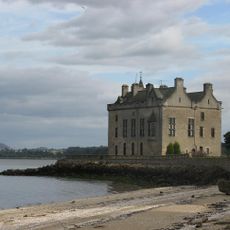
Cramond Roman Fort, Roman fort ruins in Cramond district, Edinburgh, Scotland.
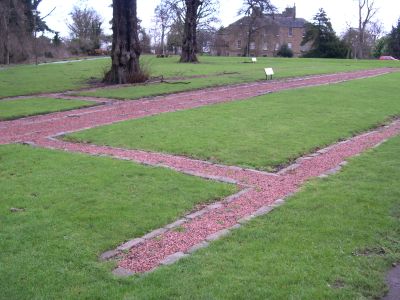
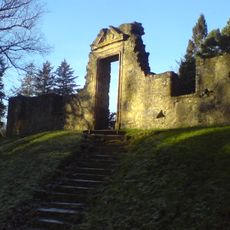
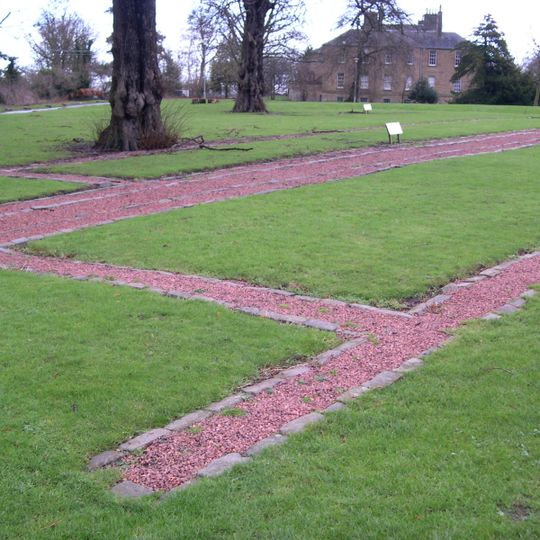
Cramond Roman Fort consists of the remains of a Roman military installation with visible foundations of buildings, defensive earthworks, and archaeological layers where the River Almond meets the Firth of Forth. The ruins spread across several acres and show the typical layout of a fort with residential, storage, and administrative zones.
The fort was established around 140 AD as part of the Antonine Wall expansion and served as a strategic military base on Rome's frontier in Scotland. The garrison was abandoned and reoccupied several times before the Romans finally withdrew around 214 AD.
The altars found here show that soldiers honored their own gods and carved their beliefs into stone as personal religious expressions. These artifacts reveal how the people stationed here practiced their faith in daily life.
The site is freely accessible year-round, though the foundations and earthworks are most clearly visible during drier months. Information boards on site explain the layout and purpose of different zones, and walking paths guide visitors through the remains.
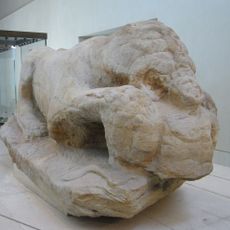
A 1st-century sandstone lion sculpture discovered in 1997 is among Scotland's most important Roman artworks and shows the artistic skill of the Romans who occupied this place. The piece likely formed part of a larger stone monument representing authority and power.
The community of curious travelers
AroundUs brings together thousands of curated places, local tips, and hidden gems, enriched daily by 91,662 contributors worldwide.