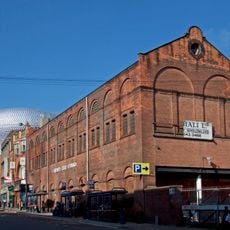
Moor Street Theatre, Theatre on Moor Street in Birmingham, England
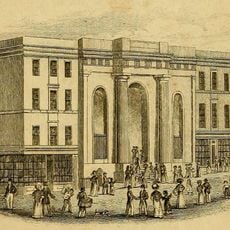
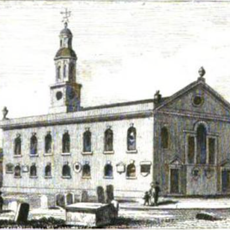
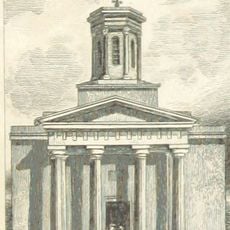
Moor Street Theatre was a converted building structure located north of Bull Ring, featuring boxes, a pit, a balcony, and two galleries within its interior. The backstage machinery allowed for complex stage transformations and made it a technically sophisticated venue for performances.
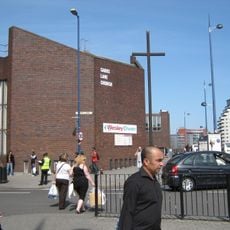
The venue opened in 1740 as Birmingham's first regular theatre, operating under a unique arrangement where audiences paid for music while theatrical plays were offered without charge. It closed in 1764 and was subsequently converted into a Methodist chapel.
The theatre gained attention for staging Shakespeare and other notable playwrights, making it a significant venue for drama in the city. Barnabas Gunn organized early secular classical music performances here, which helped establish Birmingham's musical traditions.
Performances took place on Monday, Wednesday, and Friday evenings between July and October, offering regular opportunities to attend shows. Fires were lit for two days before performances to heat the building and provide comfortable conditions for audiences.
The most expensive seats cost two shillings and six pence, pricing that attracted wealthier patrons and reflected social divisions of the era. This tiered ticket structure reveals how the venue deliberately segmented its audience by economic class.
The community of curious travelers
AroundUs brings together thousands of curated places, local tips, and hidden gems, enriched daily by 91,653 contributors worldwide.