Birmingham, Industrial metropolis in West Midlands, England
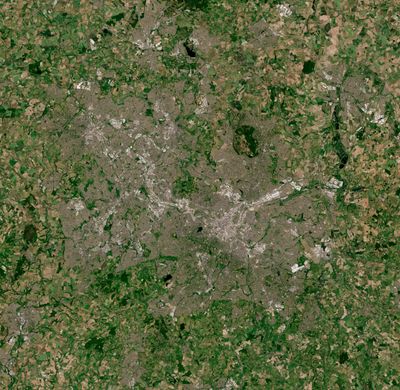
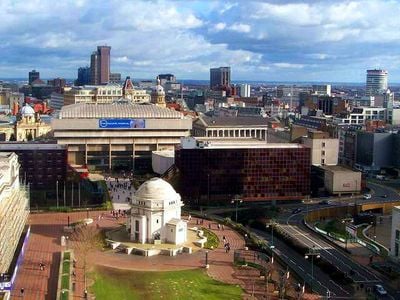
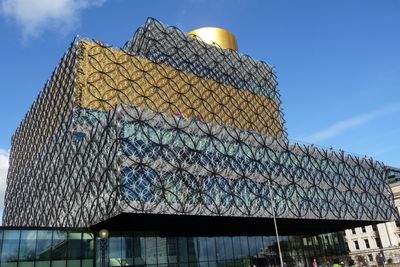
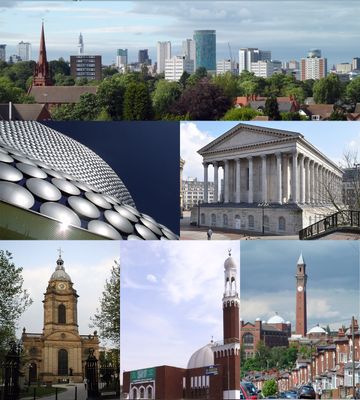
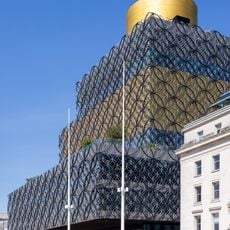
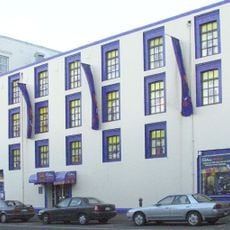
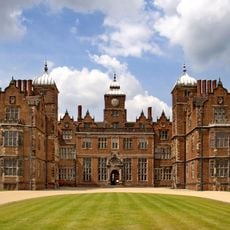
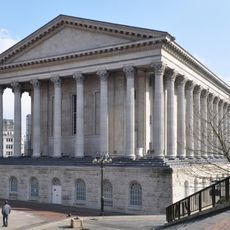
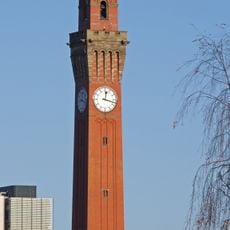
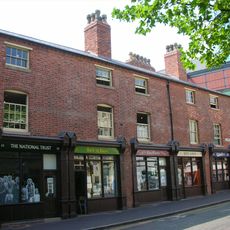
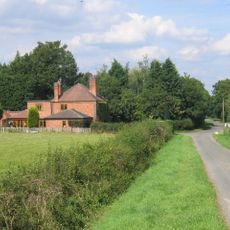
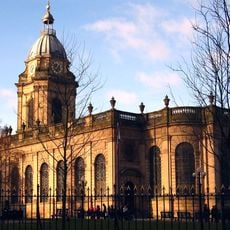
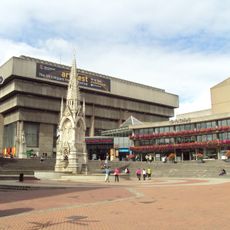
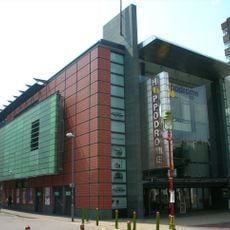
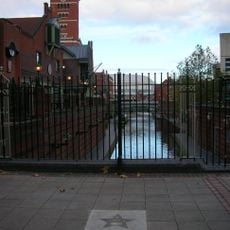
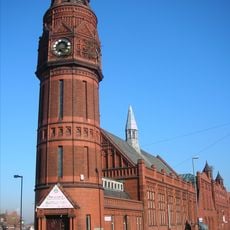
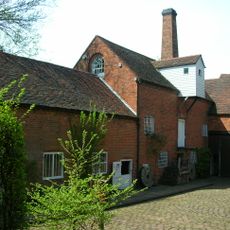
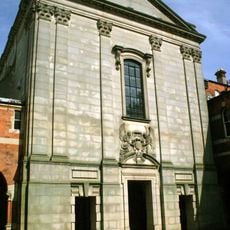
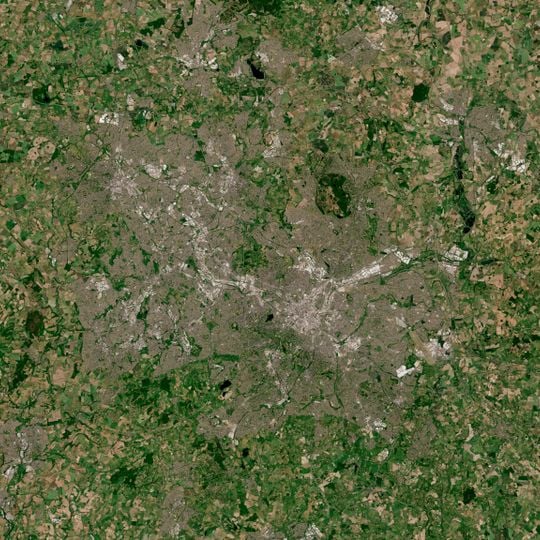
Birmingham extends across valleys and hills at 140 meters (460 feet) elevation, containing numerous canals, Victorian buildings, and modern architectural structures throughout its urban landscape. Red brick constructions from the 19th century stand beside glass and steel towers, while waterways run through residential neighborhoods, commercial districts, and green spaces.
The settlement evolved from an Anglo-Saxon hamlet in 601 to become a central manufacturing hub during the Industrial Revolution, transforming the British economy. Steam engines and metal factories shaped the cityscape from the 18th century onward and drew workers from across England.
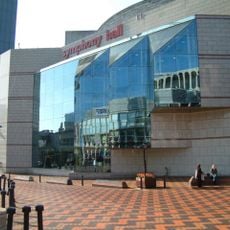
The City of Birmingham Symphony Orchestra performs regular concerts at Symphony Hall, while the Birmingham Royal Ballet presents classical productions throughout the year. Local markets like the Bullring and public parks draw families and workers daily, who come here to spend breaks or shop.
New Street Station serves as the primary railway hub, connecting the city to London in 82 minutes and providing direct routes to Manchester and Edinburgh. Buses and trams run through the city center and neighboring districts, while most central areas can be reached on foot within 20 minutes.
The Jewellery Quarter contains over 200 listed buildings and produces 40 percent of British jewelry, maintaining traditional craftsmanship since the 18th century. Workshops open onto the street and allow visitors to watch goldsmiths and engravers at work.
The community of curious travelers
AroundUs brings together thousands of curated places, local tips, and hidden gems, enriched daily by 90,778 contributors worldwide.