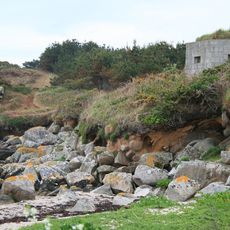
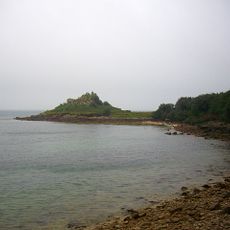
Porth Hellick Down, archaeological site on the island of St Mary's, in the Isles of Scilly, Cornwall, England
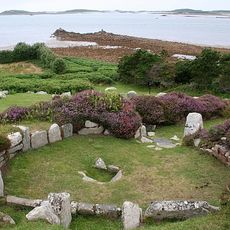
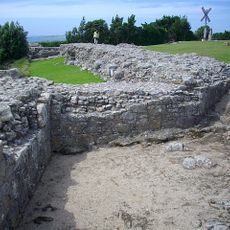
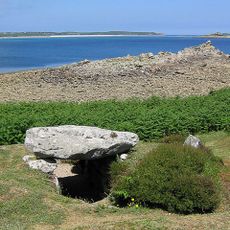
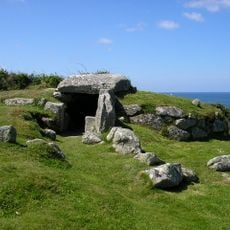
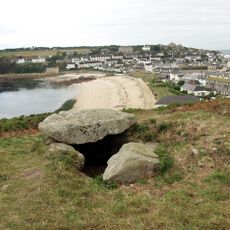
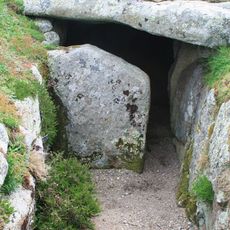
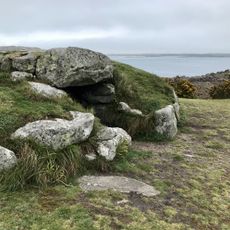
Porth Hellick Down is an archaeological site on St. Mary's island in the Isles of Scilly containing at least six Bronze Age entrance graves. The largest structure, called The Great Tomb, has a circular base about 40 feet (12 meters) across with large stones forming a burial chamber shaped like the letter D, approximately 11 feet (3.5 meters) long and 3 feet (1 meter) high.
The site dates to the Bronze Age, around 2000 to 1500 BC, and served as a burial place for the local population. The Great Tomb was excavated in 1899 by George Bonsor, who found only small pottery fragments from later periods, suggesting it had been disturbed over time.
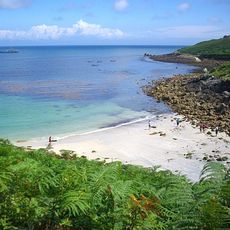
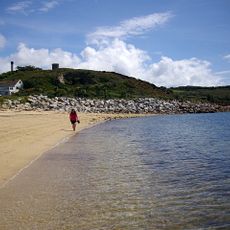
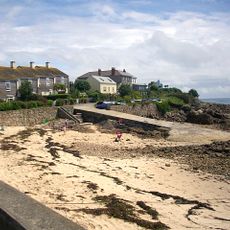
The name derives from the nearby Porth Hellick beach, rooted in the Cornish language. The graves served as central places for burial and possibly ceremonial gatherings, reflecting how important these sites were to the people who built them thousands of years ago.
The site is free to visit and accessible during daylight hours, with dogs allowed on a lead and exploration best done on foot or by bicycle. Bring water and wear suitable footwear, as there are no shops or cafes nearby, though parking is available a short walk from the main area.
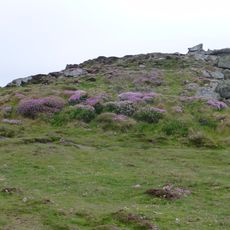
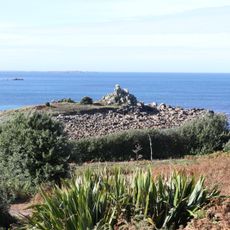
Some graves at this location incorporate natural rock outcrops as part of their structure, showing how ancient builders integrated existing landscape features into their monuments. One nearby grave resembles a boat or coffin shape and contains a chamber filled with small stones and stone slabs, displaying a different building approach.
The community of curious travelers
AroundUs brings together thousands of curated places, local tips, and hidden gems, enriched daily by 60,000 contributors worldwide.