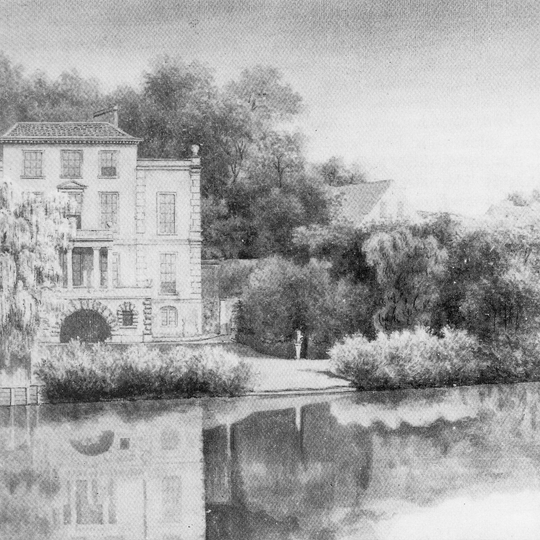
Pope's villa, Historical residence in Twickenham, England
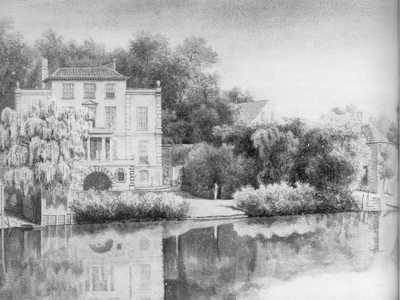
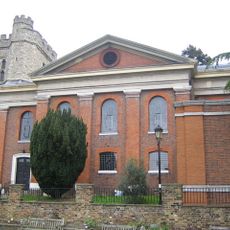
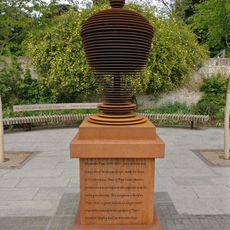
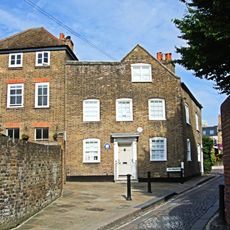
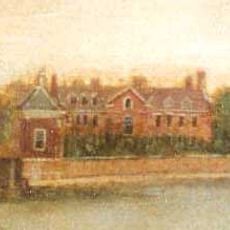
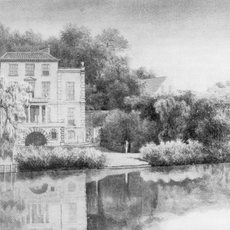
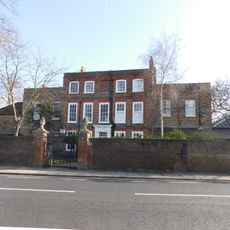
Pope's Villa was a Palladian-style house on the bank of the Thames in Twickenham, built for the poet Alexander Pope in the early 18th century. The house no longer stands, but the underground grotto Pope designed beneath his garden survives as the only remaining part of the original property.
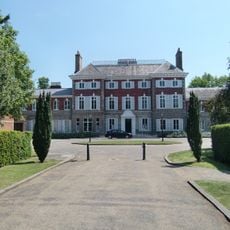
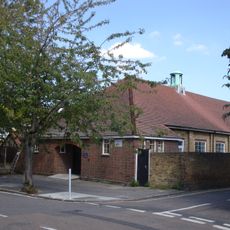
Alexander Pope had the house built in 1719 and lived there until his death in 1744. After Baroness Howe acquired the property, she had the house demolished in 1808 and replaced it with a new building, which today serves as a school.
The grotto Pope built beneath his garden was also used as a writing retreat, where he worked on poems and letters away from the noise of the road. Visitors walking through the low passages today can still see the mineral-lined walls he arranged himself.
The grotto opens on selected weekends during the year, so checking ahead before visiting is a good idea. The passages are low and tend to be cool and damp, so wear comfortable shoes and bring a light layer.
Pope dug a tunnel beneath the road to connect his garden to the house because a public road cut through the property. What started as a practical solution gradually became the decorated grotto, lined with minerals he gathered from across the world.
The community of curious travelers
AroundUs brings together thousands of curated places, local tips, and hidden gems, enriched daily by 91,499 contributors worldwide.