University of Wisconsin–Madison Arboretum, Outdoor laboratory and research facility in Madison, United States
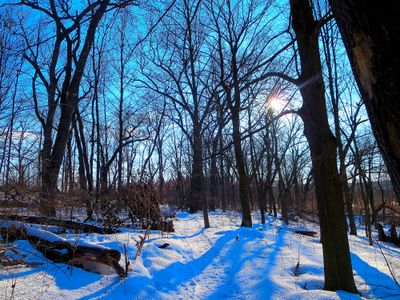
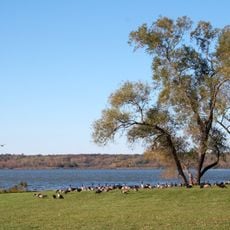
The University of Wisconsin-Madison Arboretum is a sprawling garden facility with distinct habitats including wetlands, prairies, and woodlands across its grounds. The site displays numerous plant collections and demonstration areas representing different ecological zones and growing conditions.
Established in 1934, the arboretum was created by transforming abandoned farmland into restored ecological communities. The Civilian Conservation Corps carried out much of the restoration work between 1935 and 1941.
The property holds Native American effigy mounds along McCaffrey Drive and in Gallistel Woods, preserving significant archaeological remains tied to the region's past.
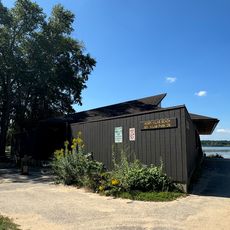
The grounds are open year-round with walking trails throughout different zones for self-guided exploration. Visitors can stop at the Visitor Center to pick up maps and ask for guidance on which routes match their interests and available time.
Curtis Prairie within the grounds was the first restored prairie in the United States, demonstrating that damaged ecosystems could be rebuilt. This successful project went on to inspire restoration efforts across the country.
The community of curious travelers
AroundUs brings together thousands of curated places, local tips, and hidden gems, enriched daily by 92,653 contributors worldwide.