Konza Prairie, Research station in the Flint Hills, Kansas, US.
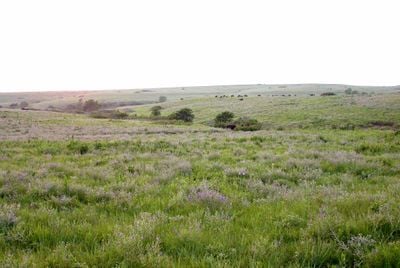
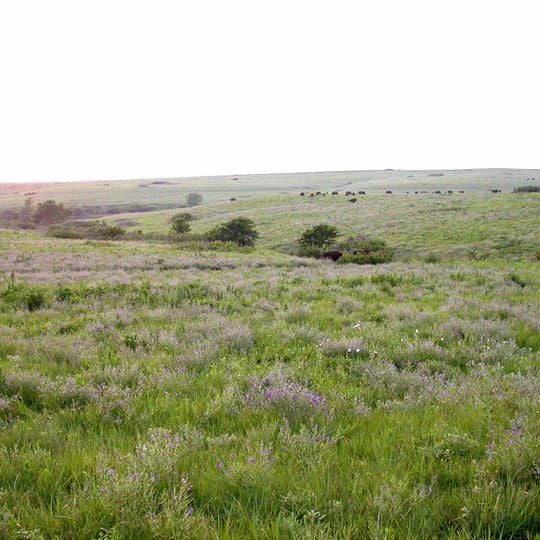
Konza Prairie is a research station covering about 3,500 hectares of native grassland in northeastern Kansas, shaped by rolling hills, limestone outcrops, and shallow soils. The land shows open grass fields mixed with small wooded areas, giving visitors a glimpse of what this landscape looked like before settlement.
The research station began in 1971 through a partnership between Kansas State University, The Nature Conservancy, and donor Katherine Ordway. The initial 916 acres of protected land have grown steadily over the decades as the project expanded to preserve more grassland.
The name comes from the Kanza people who once lived on and managed these grasslands before being displaced westward. Visitors can see how the landscape reflects traditional land use practices that shaped the prairie over generations.
Visitors need to arrange access through Kansas State University, as this is an active research site rather than a public park. The warm months offer the best conditions for exploring, with dry trails and the most visible wildlife activity throughout the grassland.
A herd of around 200 bison roam freely across the station, grazing naturally and helping maintain the prairie ecosystem as it evolved historically. Seeing these large animals move through the grassland offers visitors insight into how the landscape was shaped by its native inhabitants.
The community of curious travelers
AroundUs brings together thousands of curated places, local tips, and hidden gems, enriched daily by 91,957 contributors worldwide.