Lake Tonawanda, Ancient glacial lake in western New York, United States
Lake Tonawanda was a large ancient glacial lake that covered the southern portion of the Niagara Escarpment in western New York. Today its former basin remains visible in sediment layers that geologists study to understand past climates and environments.
The lake formed about 10,000 years ago when the Wisconsin Glacier retreated at the end of the last ice age. This retreat created five major drainage outlets along the Niagara Escarpment that reshaped the landscape.
The name comes from Haudenosaunee peoples and means swift waters, referring to the powerful currents that shaped this region. This term reflects how the waterway influenced the communities who knew this landscape.
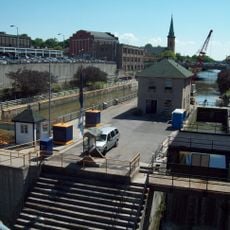
The best place to explore traces of the ancient lake is Gulf Wilderness Park near Lockport, where sediment layers are exposed for study. You can walk through the site and observe the geological features that reveal the lake's former extent and depth.
The water drainage from this lake played a crucial role in creating Niagara Falls, with flow passing through multiple pathways before converging. Towns like Holley, Medina, Gasport, and Lewiston mark where water once moved through the landscape on its way to forming that spectacular waterfall.
The community of curious travelers
AroundUs brings together thousands of curated places, local tips, and hidden gems, enriched daily by 90,739 contributors worldwide.