Lucky Hit, human settlement in Virginia, United States of America
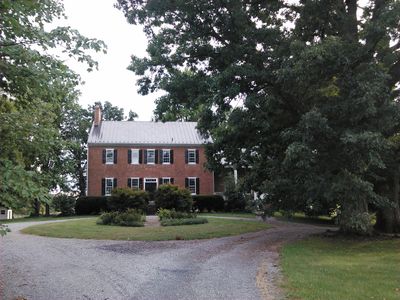
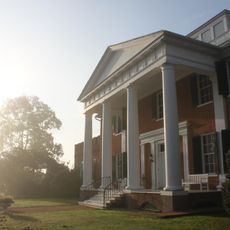
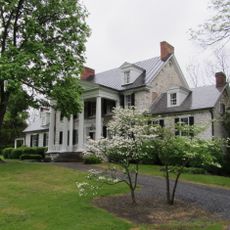
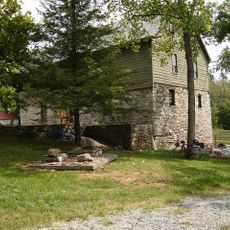
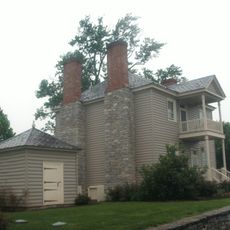
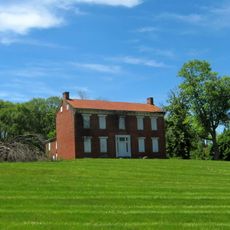
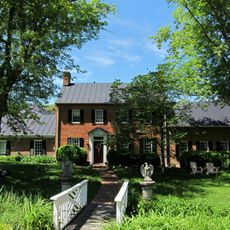
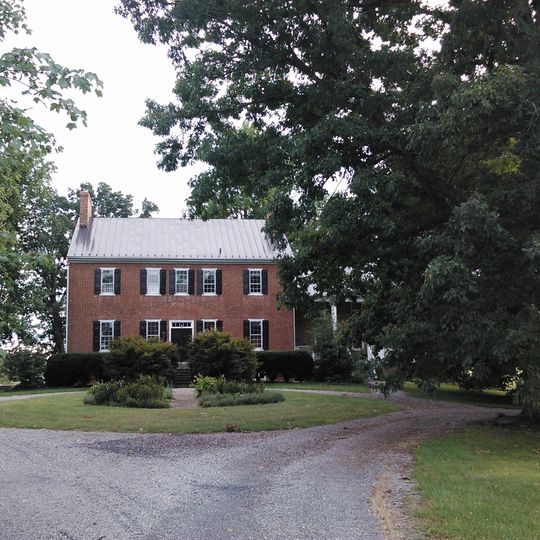
Lucky Hit is a Federal-style house built in 1791 in Clarke County, Virginia by Colonel Richard Kidder Meade and features five bays on its front and sides with pediments at each end. The original interior woodwork and hardware remain intact, and the property includes two period outbuildings: a summer kitchen and a privy that illustrate how the household operated during that era.
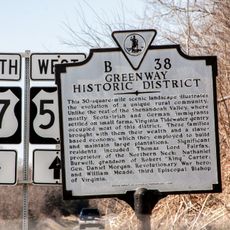
Lucky Hit was founded in 1791 by Colonel Richard Kidder Meade, who served George Washington during the Revolutionary War and incorporated Federal-style architecture into his house. From 1947 to 1973, Alexander Mackay-Smith owned the property and added a western wing while preserving many original features, ensuring the site's continued historical importance as part of the Greenway Rural Historic District.
Lucky Hit takes its name from Colonel Richard Kidder Meade, who founded the property in the late 18th century and named it after his good fortune in finding such a place. The name reflects the personal story of its founder and connects to the Meade family, whose members like Bishop William Meade grew up here and shaped the cultural life of the region.
The house remains a private residence and is not open for interior visits, but you can view it from the road to see the exterior and appreciate its architecture. Walking the grounds allows you to observe the surrounding landscape, original outbuildings, and how the property sits within the larger rural historic district.
The name Lucky Hit came from Colonel Meade himself, who considered finding this land to be a stroke of good fortune, a personal moment that gave the place its unusual name rather than a conventional family name. This story behind the name sets it apart from many historic plantations and gives the property a distinctly personal character reflected in what visitors encounter today.
The community of curious travelers
AroundUs brings together thousands of curated places, local tips, and hidden gems, enriched daily by 60,000 contributors worldwide.