Menominee Indian Reservation, Indigenous territory in northeastern Wisconsin, United States.
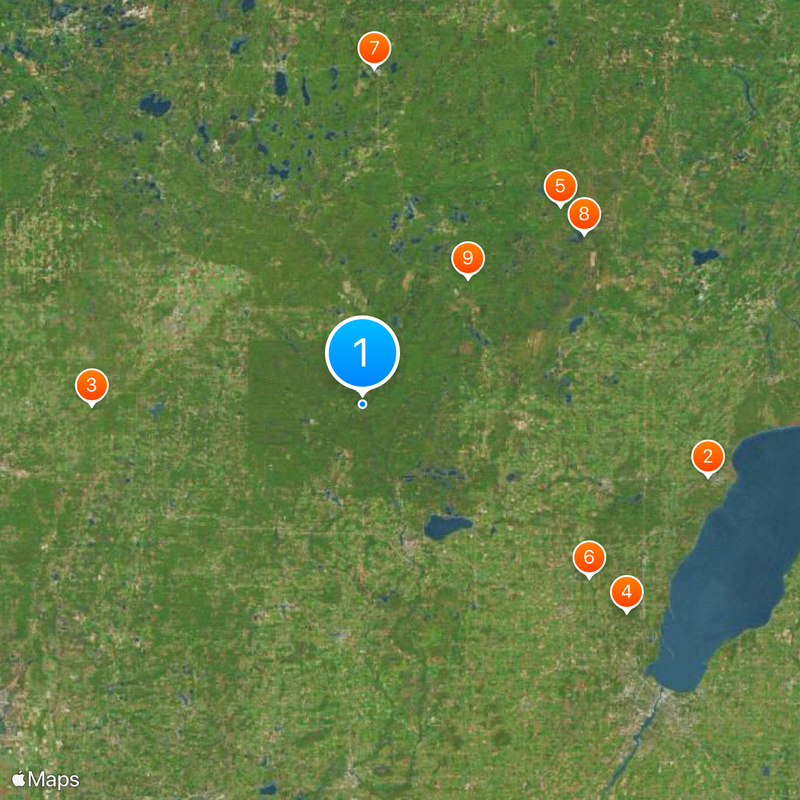
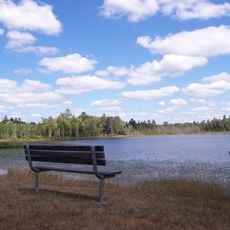
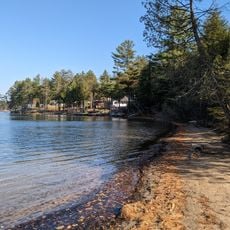
The Menominee Indian Reservation is a tribal territory in northeastern Wisconsin spanning 235,000 acres across Menominee and Shawano counties. The land contains extensive forests, lakes, and communities where residents live, work, and maintain tribal governance.
The territory was established in the mid-1800s and later faced termination of tribal status in 1961, when the federal government sought to end its separate status. In 1973, the tribe successfully regained federal recognition and restored control over its lands.
The reservation centers on five clans—Bear, Crane, Eagle, Moose, and Wolf—each representing distinct roles in tribal governance and daily life. You can observe these traditions reflected in how the community organizes itself and makes decisions today.
A higher education institution in Keshena serves students while integrating indigenous knowledge systems into its curriculum. Visitors can explore how the community actively maintains and teaches its cultural traditions through modern education.
The territory operates a forestry program that has sustainably harvested timber for over 150 years while maintaining forest health. This approach demonstrates how tribal knowledge aligns with contemporary conservation practices.
The community of curious travelers
AroundUs brings together thousands of curated places, local tips, and hidden gems, enriched daily by 90,824 contributors worldwide.