New Amsterdam Historic District, National Register Historic District in Detroit, United States
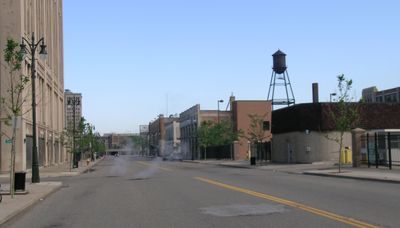
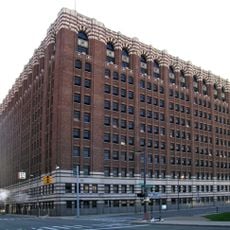
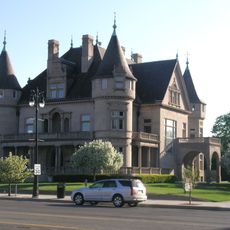
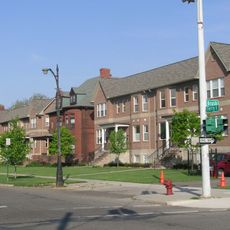
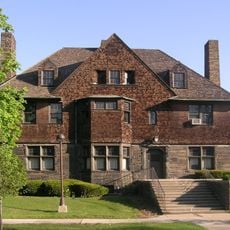
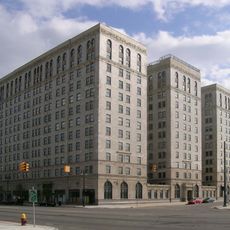
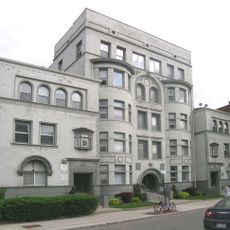
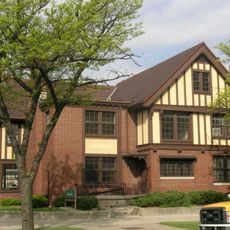
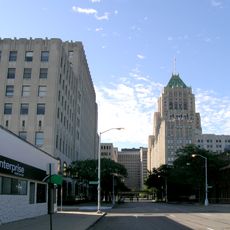
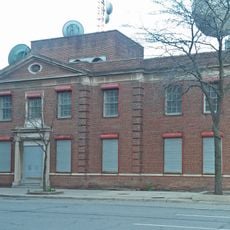
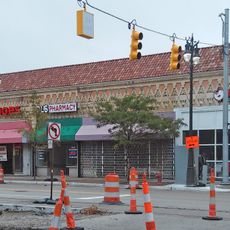
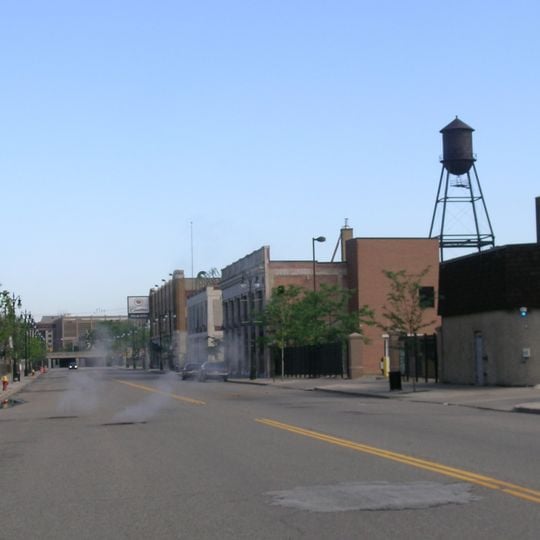
The New Amsterdam Historic District spans two city blocks between Woodward Avenue and Second Avenue, with three east-west streets named Amsterdam, Burroughs, and York running through it. The buildings date from the late 1800s and early 1900s, representing the residential construction that took place during Detroit's industrial growth period.
The neighborhood developed during Detroit's rapid industrial expansion in the latter half of the 1800s as the city grew. The district was added to the National Register of Historic Places in 2001, recognizing its importance as an example of the city's residential architecture from that era.
The buildings show how residents of Detroit lived and designed their homes during a period of rapid city expansion. Walking through the streets reveals the everyday choices people made about their living spaces and how they organized their neighborhood.
The district is centrally located in Detroit with multiple street access points, making it easy to reach from different directions. You can walk through the entire area without difficulty, as the streets flow together in a straightforward layout that gives you a clear picture of the neighborhood.
The three parallel streets running through the district form an unusual pattern of urban planning that reflects how Detroit deliberately organized its residential growth during this period. This methodical street design shows the systematic approach developers took to building new neighborhoods in the expanding city.
The community of curious travelers
AroundUs brings together thousands of curated places, local tips, and hidden gems, enriched daily by 60,000 contributors worldwide.