Parkin Archeological State Park, Native American archaeological site in Parkin, Arkansas.
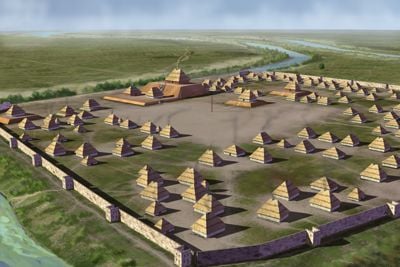
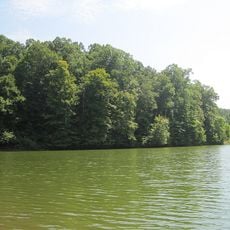
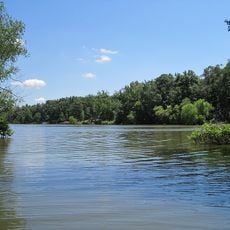
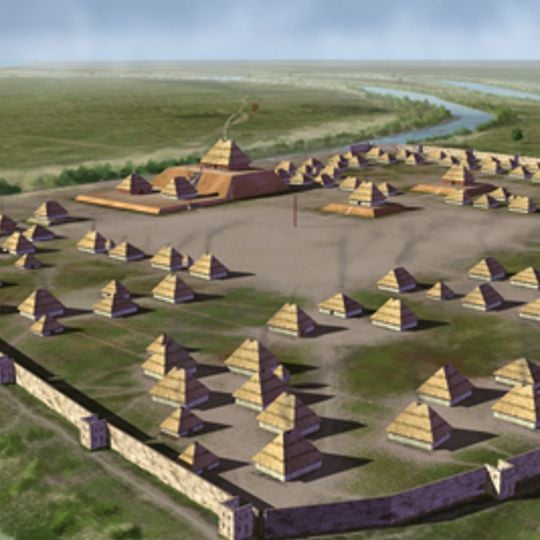
Parkin Archeological State Park is a 17-acre archaeological site along the St. Francis River featuring a central earthen mound and the remains of a palisaded village from the Mississippian Period. The grounds preserve the layout of houses and workspaces from this ancient settlement, with a visitor center offering exhibits and a working archaeological laboratory.
The settlement developed around 1000 CE as a major Mississippian center and continued through roughly 1550. Spanish explorers led by Hernando de Soto encountered this established community, recorded as Casqui in their accounts during their 1541 journey through the region.
The site represents a major center where Mississippian communities organized their daily lives and work around a central mound. Walking through the grounds, visitors can observe how buildings were positioned and what objects reveal about how people lived together.
The park features a visitor center with exhibits open Wednesday through Sunday for guided tours, and self-guided visits are available at no cost. A working archaeological laboratory at the center allows visitors to see how researchers examine and study artifacts discovered at the site.
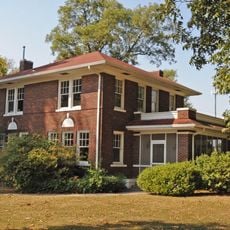
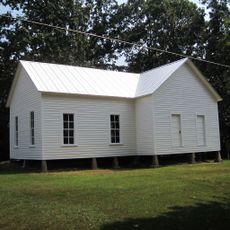
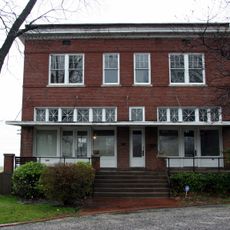
The Northern Ohio School, built in 1910, is the only surviving schoolhouse from that era in Parkin and served children of lumber mill workers. This building demonstrates how education became part of the community structure as the town developed alongside industrial activities.
The community of curious travelers
AroundUs brings together thousands of curated places, local tips, and hidden gems, enriched daily by 91,284 contributors worldwide.