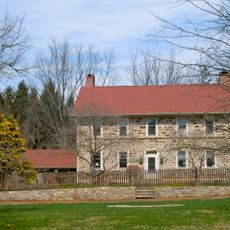
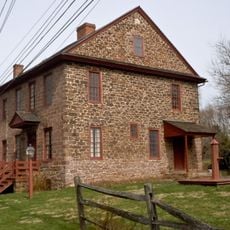
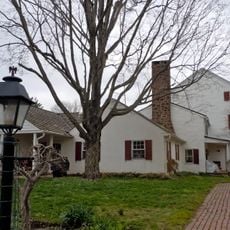
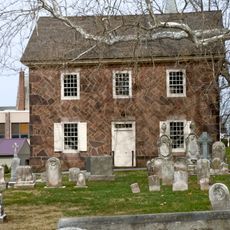
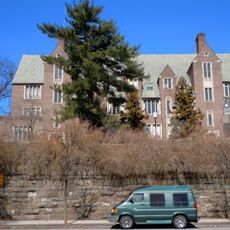
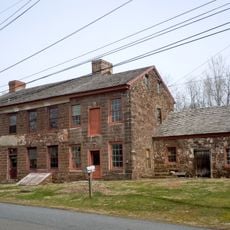
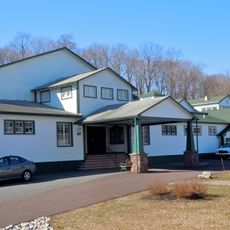
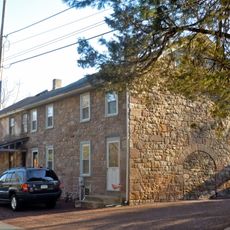
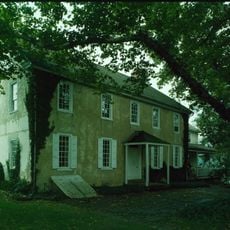
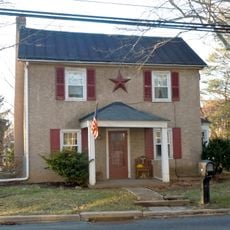
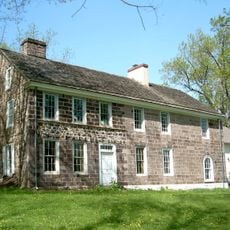
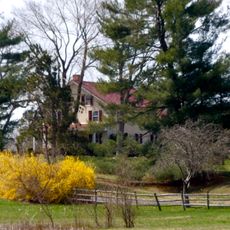
Schuylkill River National and State Heritage Area, National Heritage Area in southeastern Pennsylvania, United States.
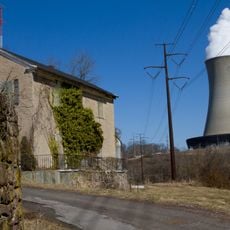
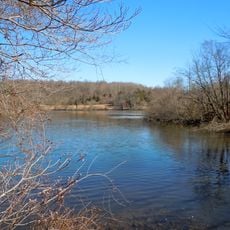
The Schuylkill River National and State Heritage Area extends across southeastern Pennsylvania from Pottsville to Philadelphia, encompassing riverside communities, historic industrial sites, forests, and protected wildlife areas. The region features a continuous walking and cycling path alongside the water, connecting numerous towns and natural spaces.
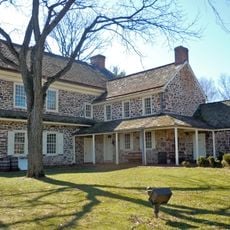
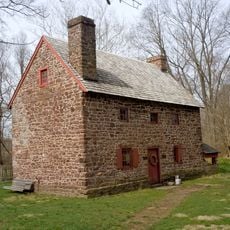
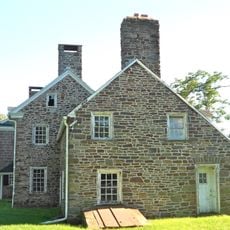
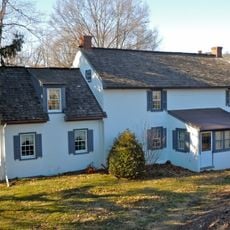
The river valley played a critical role during the American Revolution, notably serving as the location of George Washington's winter encampment at Valley Forge in 1777. Throughout the 1800s, coal mining and iron production transformed the region into one of the nation's most important industrial areas.
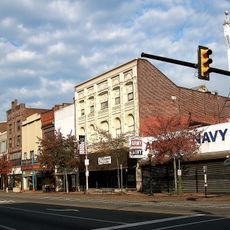
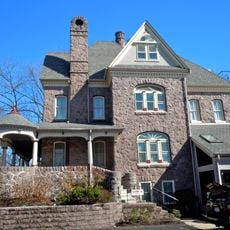
The riverside communities developed as industrial centers where workers and their families built their lives around mills and mines. Today, these places tell stories of labor, innovation, and the people who shaped the region's identity.
The heritage area can be accessed through many entry points scattered throughout its length, offering trails suitable for walking, cycling, and water activities. Weather and seasonal conditions vary significantly across the corridor, so plan visits based on your preferred activity and comfort level.
The river corridor served as a major transportation route for coal and iron ore, which were shipped via canal boats across the region during the industrial boom. Remnants of this canal system, including old locks and tunnel sections, remain visible today and tell the story of how goods moved through the industrial landscape.
The community of curious travelers
AroundUs brings together thousands of curated places, local tips, and hidden gems, enriched daily by 92,018 contributors worldwide.