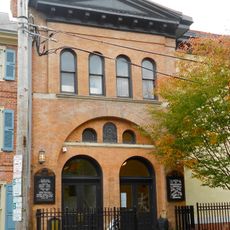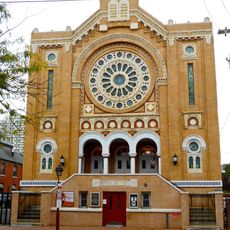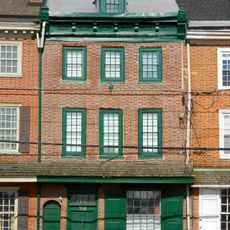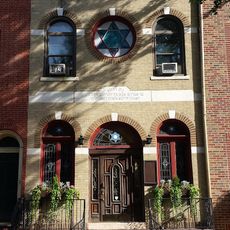
South Street, street in Philadelphia, Pennsylvania
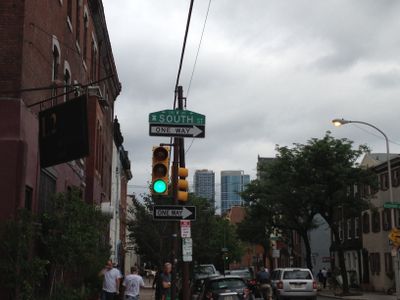
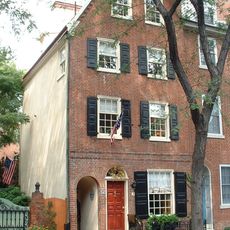
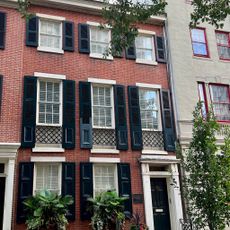
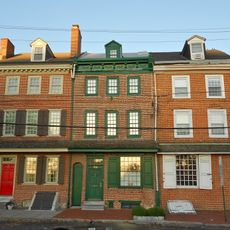
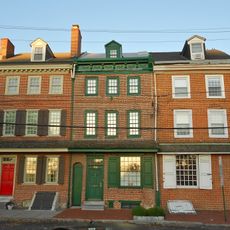
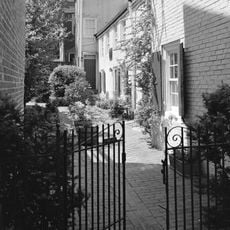
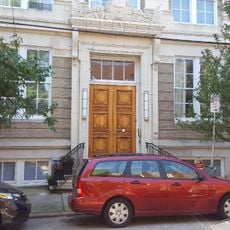
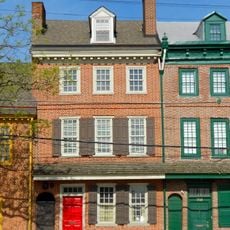
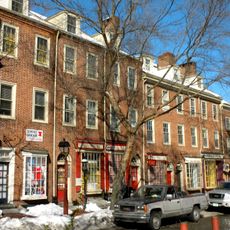
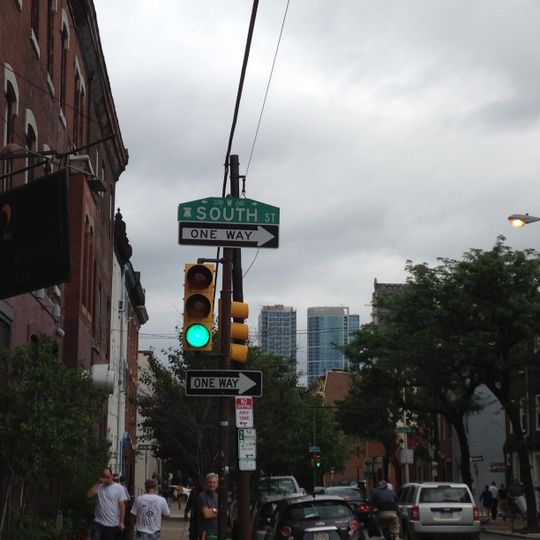
South Street is a road running east to west across Philadelphia that mixes old and new buildings with shops, cafes, and signs for different kinds of stores. The street connects different districts and offers more than 400 places to eat and shop, from casual cafes to unique boutiques, creating a sense of constant activity.
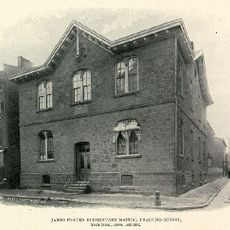
South Street was originally known as Cedar Street and marked the boundary of William Penn's original city plan before becoming a busy hub for trade and entertainment with theaters and markets. From the 1800s through the 1970s, it was shaped by different communities, including a significant African American presence, and kept its role as a place for music, art, and cultural mixing.
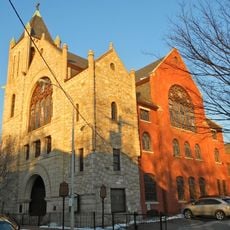
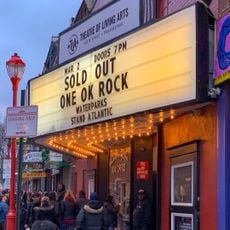
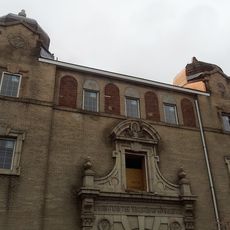
South Street was a gathering place where different communities opened shops, churches, and music venues that shaped the neighborhood over generations. Today, visitors can see the traces of this history everywhere: colorful murals by Isaiah Zagar, old theater facades, and a mix of restaurants from different cultures that show how diverse people built the character of the street.
Route 40 bus and the subway at Lombard-South Station connect South Street easily to other parts of the city, with bike racks available throughout. Day visitors should know that the street is lively during daytime for shopping and food, while it comes alive at night with bars and music venues, so the best time depends on what you prefer to do.
The Magic Gardens is a hidden art installation both outdoors and indoors that artist Isaiah Zagar created using colorful tiles and mosaics made from glass and other materials, forming a maze of colors and patterns. This 4000 square foot artwork was assembled piece by piece over decades and stands as one of the city's most remarkable artistic secrets.
The community of curious travelers
AroundUs brings together thousands of curated places, local tips, and hidden gems, enriched daily by 90,803 contributors worldwide.