St. Charles College, Maryland, historic district in Maryland, United States
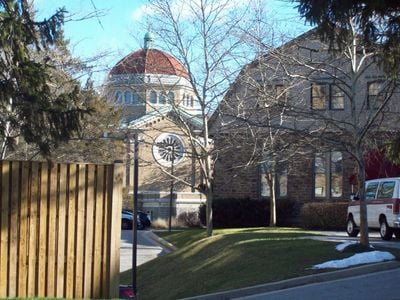
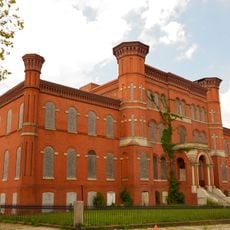
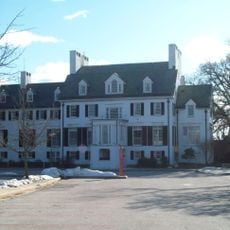
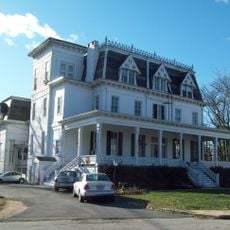
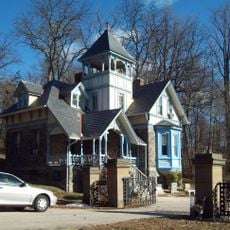
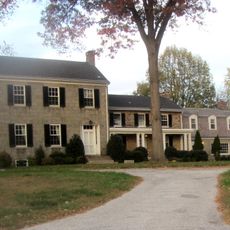
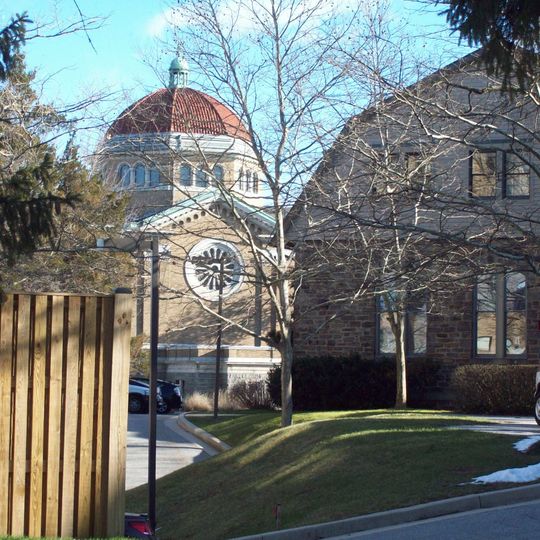
St. Charles College is a former Catholic seminary in Catonsville, Maryland, now listed on the National Register of Historic Places. The campus consists of stone and brick buildings linked by covered walkways, with a chapel, dormitories, and a dining hall arranged around shared open spaces.
The college opened in 1848 on land provided by Charles Carroll, whose support made it one of the earliest Catholic seminaries in the region. A fire in 1911 destroyed a large part of the buildings, but the seminary was rebuilt within a few years and continued to operate until the late 20th century.
The college carries the name of Charles Carroll, the only Catholic signer of the Declaration of Independence, and that connection gives the site a particular weight in American Catholic history. Visitors walking through the grounds today can still see the chapel, which was modeled on a Parisian church and remains the most telling sign of the religious life once centered here.
The site now operates as a retirement community, so access to the interior of the buildings is generally not available to the public. Walking around the exterior is possible and gives a good view of the stonework and brick details, best done during daylight hours.
The chapel on the grounds was modeled on a specific church in Paris, which makes it an unusual sight in a Maryland suburb. A pipe organ installed in 1919 is still housed within the complex and has been played during special events long after the seminary closed.
The community of curious travelers
AroundUs brings together thousands of curated places, local tips, and hidden gems, enriched daily by 91,643 contributors worldwide.