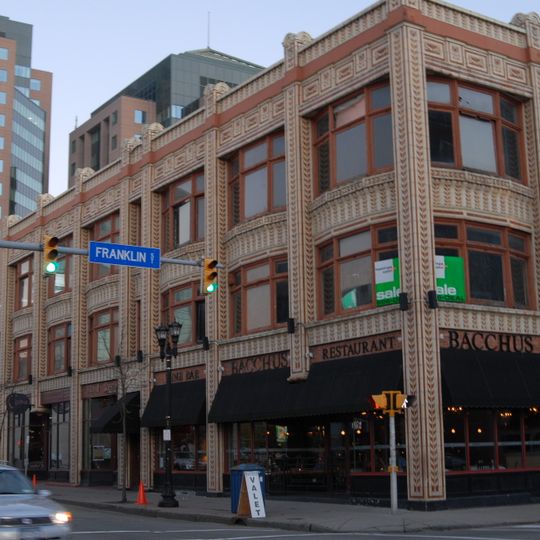
The Calumet, historic commercial building in New York, United States
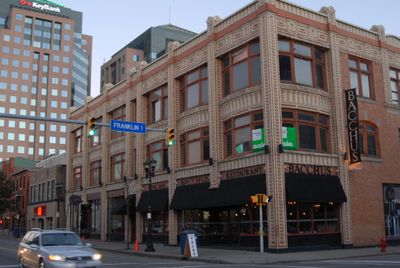
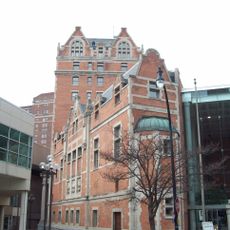
The Calumet is a three-story commercial building in Buffalo completed in 1906 with glazed terra cotta exterior decoration. The facade features repeated patterns of reed stems and leaf designs in white and dark orange-brown tones that create a distinctive ornamental appearance.
Designed by architects Esenwein and Johnson in the Art Nouveau style, it was constructed by banker Robert Keating Root to transform Chippewa Street from residential into commercial space. The building supported Buffalo's commercial development in the early 20th century and was added to the National Register of Historic Places in 2010.
The name Calumet references the reed plant depicted in its architectural details, taken from the Latin word for reed. The building once housed the Calumet Club on its upper floors, serving as a social gathering place for local people.
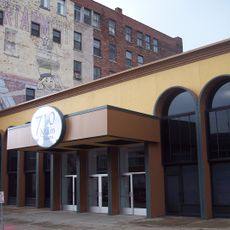
The building is located at West Chippewa Street in downtown Buffalo and is easily accessible on foot. Today the ground floor contains shops and restaurants, allowing visitors to appreciate the exterior decoration while enjoying the street-level activity.
Police stole and seized membership records of a controversial group operating in the building during 1924, and the list was made public. This revelation shocked many Buffalo residents by exposing the identities of prominent city members involved with the organization.
The community of curious travelers
AroundUs brings together thousands of curated places, local tips, and hidden gems, enriched daily by 92,683 contributors worldwide.