John Bowne House, Colonial house in Flushing, United States
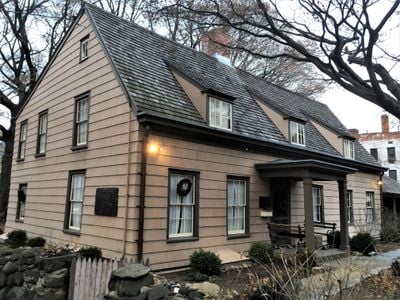
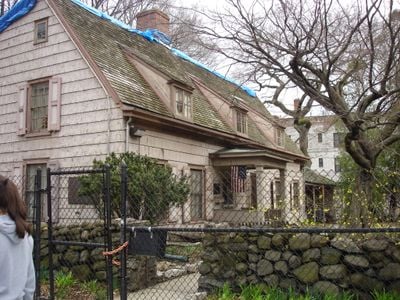
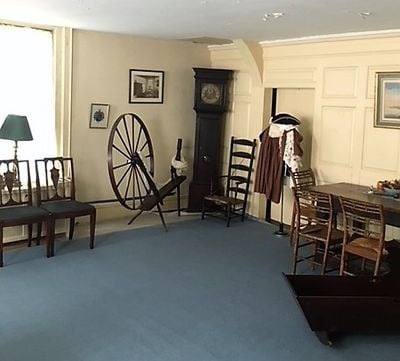
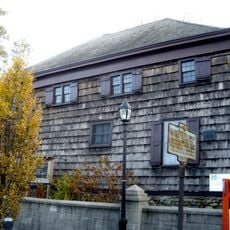
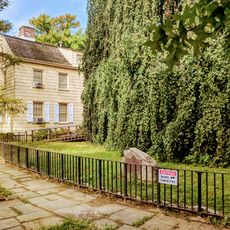
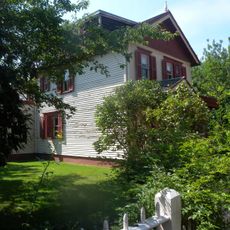
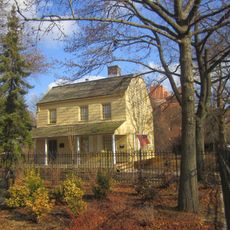
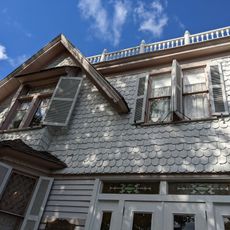
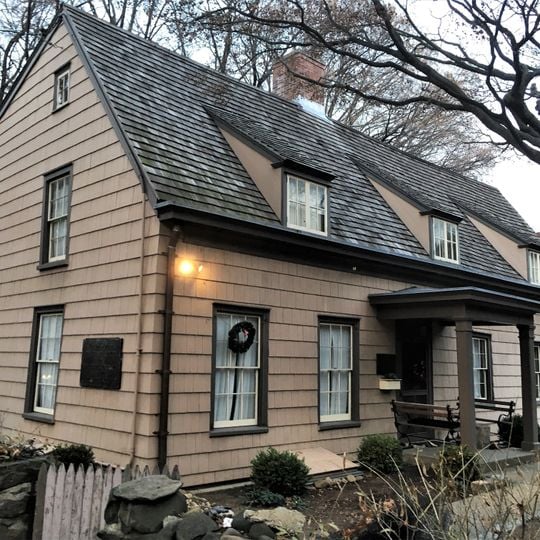
The John Bowne House is a colonial dwelling with wooden frame construction, steeply pitched roofs, and three dormers that represent the Anglo-Dutch saltbox style from the 1600s. The structure preserves floor plans and details that reflect the everyday life of an early colonial merchant family.
The house was built in 1661 and became the center of a major confrontation with Dutch authority when John Bowne was arrested in 1662 for holding Quaker meetings. That conflict marks an early milestone in the history of religious freedom in America.
This house served as a refuge for Quakers during a time when their gatherings were forbidden, and rooms still reflect how worshippers secretly assembled here. That spirit of resistance runs through the exhibits and speaks to people who stood up for what they believed.
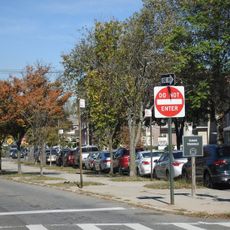
The house is accessible via Bowne Street in Queens and offers tours and educational programs about colonial history throughout the year. Visitors should check ahead for tour times, as entry is only available with a guided visit.
Archaeological digs on the property have uncovered artifacts from the family's daily life, such as pottery and tools, that would otherwise remain hidden. These finds offer a more direct view into the past than written sources alone can reveal.
The community of curious travelers
AroundUs brings together thousands of curated places, local tips, and hidden gems, enriched daily by 60,000 contributors worldwide.