Blandfield, human settlement in Virginia, United States of America
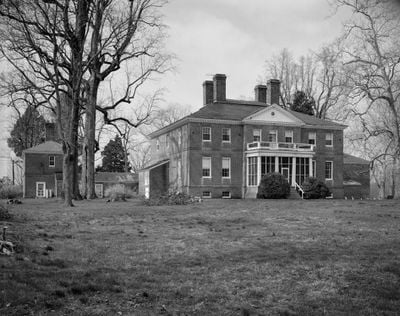
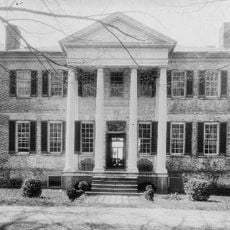
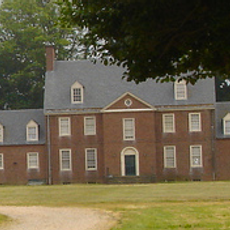
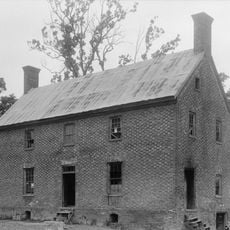
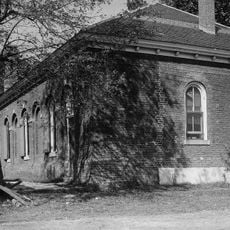
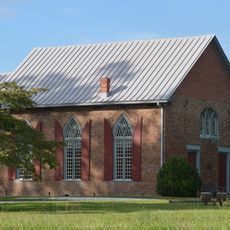
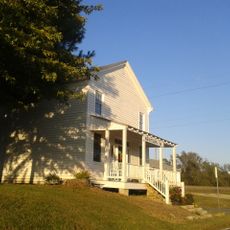
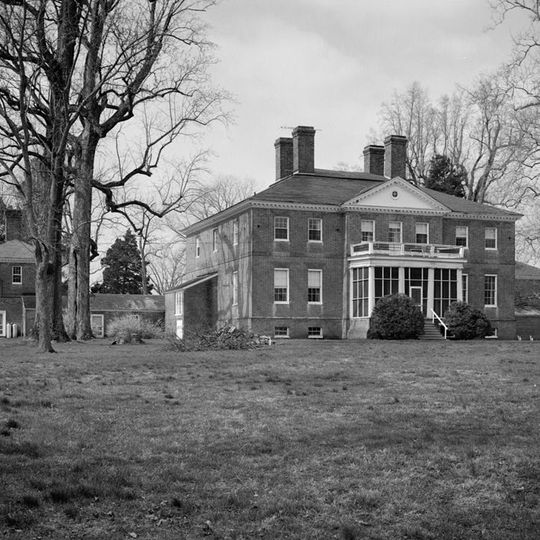
Blandfield is a large plantation house in Virginia built in the late 1700s by Robert Beverley II, reflecting Palladianism and English architectural influence. The structure features a grand center section with a pediment, two-story wings on each side, and connecting passages, all constructed in brick with distinctive details.
Blandfield was built by Robert Beverley II, whose family owned the land since 1683, though they initially lived in a house closer to the Rappahannock River. Construction of this new mansion began in the late 1700s and was inspired by plans from James Gibbs' 1728 Book of Architecture, which influenced many colonial buildings throughout the region.
The name Blandfield traces back to the original land grant to Major Robert Beverley in 1683. The house shows how wealthy colonial families modeled their homes after English architectural ideas, reflecting their connection to European culture and status.
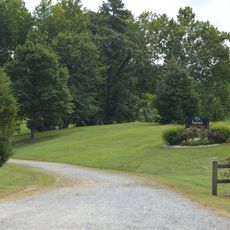
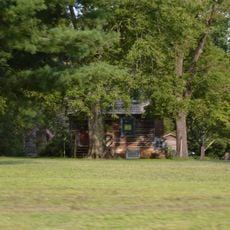
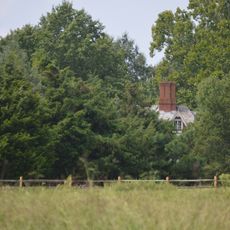
The house is privately owned and not open to the public, but it can be viewed from the road. Visitors should respect private property and view the brick construction and architectural details from a distance along the street.
The interior decoration was carefully reconstructed in the 1980s using Robert Beverley II's personal records, where he detailed everything he ordered for the house. Original window glass from the 1700s and 1800s was preserved and reused throughout the restoration to maintain historical authenticity.
The community of curious travelers
AroundUs brings together thousands of curated places, local tips, and hidden gems, enriched daily by 91,398 contributors worldwide.