Montpelier, human settlement in United States of America
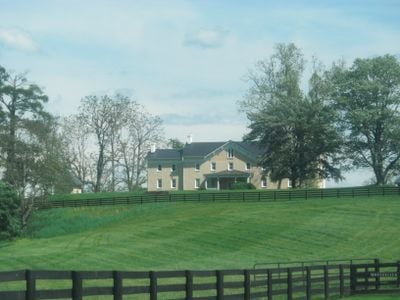
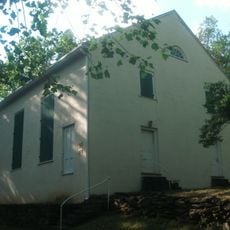
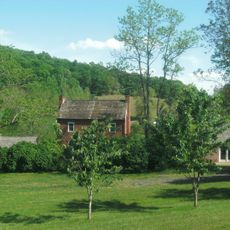
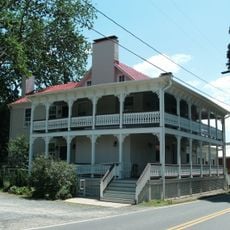
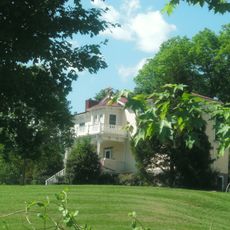
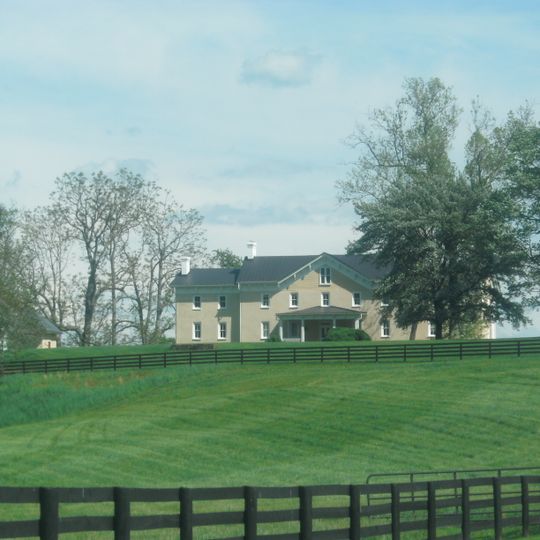
Montpelier is a large stone house built around 1750 on a hilltop in Rappahannock County, featuring a two-story structure with eight Tuscan columns across its front. The house was expanded in the 1800s with wings on both sides connected by a continuous colonnade, maintaining its sturdy appearance with small-paned windows and simple gable roof.
The house was built around 1750 for William Thornton's family, with foundations laid by his father Francis Thornton, and the family worked the surrounding valley farmland. William Thornton's son, Dr. Philip Thornton, later inherited the property, keeping it in the family until 1876.
The name Montpelier reflects European influences on early Virginia architecture and settlement. The wide porch with eight Tuscan columns creates a central gathering space that served the Thornton family and their community for nearly two centuries.
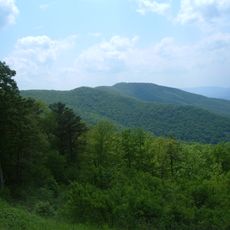
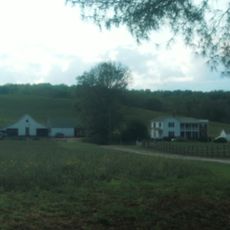
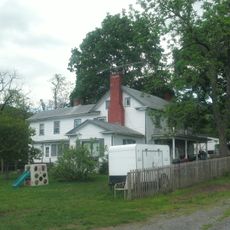
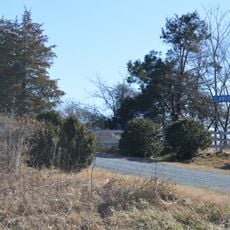
The house is visible from the road but most interior spaces remain private residences closed to visitors, so guests should be respectful of the owners' privacy and privacy boundaries. The surrounding property features open fields and walking areas with scenic mountain views across the quiet countryside landscape.
William Grimes, a formerly enslaved man, wrote one of the first written accounts of his suffering at Montpelier, documenting a crucial testimony about the site's difficult past. His autobiography remains a rare and significant record of slavery-era experience in Virginia.
The community of curious travelers
AroundUs brings together thousands of curated places, local tips, and hidden gems, enriched daily by 60,000 contributors worldwide.