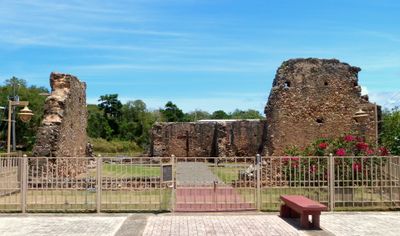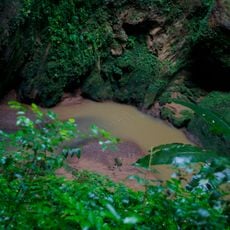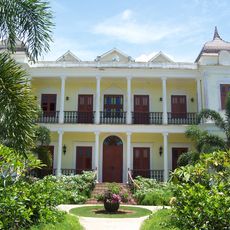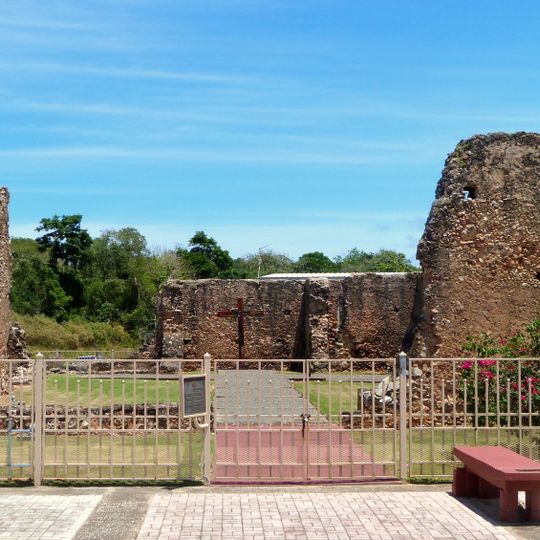
Hermitage of San Antonio de Padua de la Tuna, Historic church ruins in Isabela, Puerto Rico.
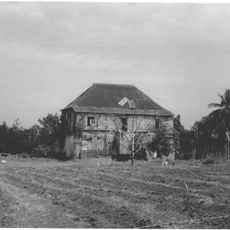
The Hermitage of San Antonio de Padua de la Tuna is a ruined religious structure built during the Spanish colonial period near the Guajataca River. The site preserves stone foundations and architectural remains that reveal details of its original construction and design.
Spanish Governor José Antonio de Mendizábal y Azares authorized the construction of this chapel around 1725 to serve the growing local population in the region. The settlement thrived until the late 1700s before being abandoned and relocated.
The hermitage takes its name from Saint Anthony of Padua and La Tuna, which refers to the prickly pear cacti that once thrived naturally in the surrounding area.
The archaeological site is accessible directly from Puerto Rico's main PR-2 highway with informational signs marking the location and explaining the structure. The site is located near the riverbank and offers a straightforward visit without complicated directions.
During its peak in the late 1700s, the settlement served as a thriving community center with approximately 60 households supporting over 1000 residents. The entire population eventually relocated to the coastal area that became modern-day Isabela.
The community of curious travelers
AroundUs brings together thousands of curated places, local tips, and hidden gems, enriched daily by 91,518 contributors worldwide.